
Category: women’s rights
-
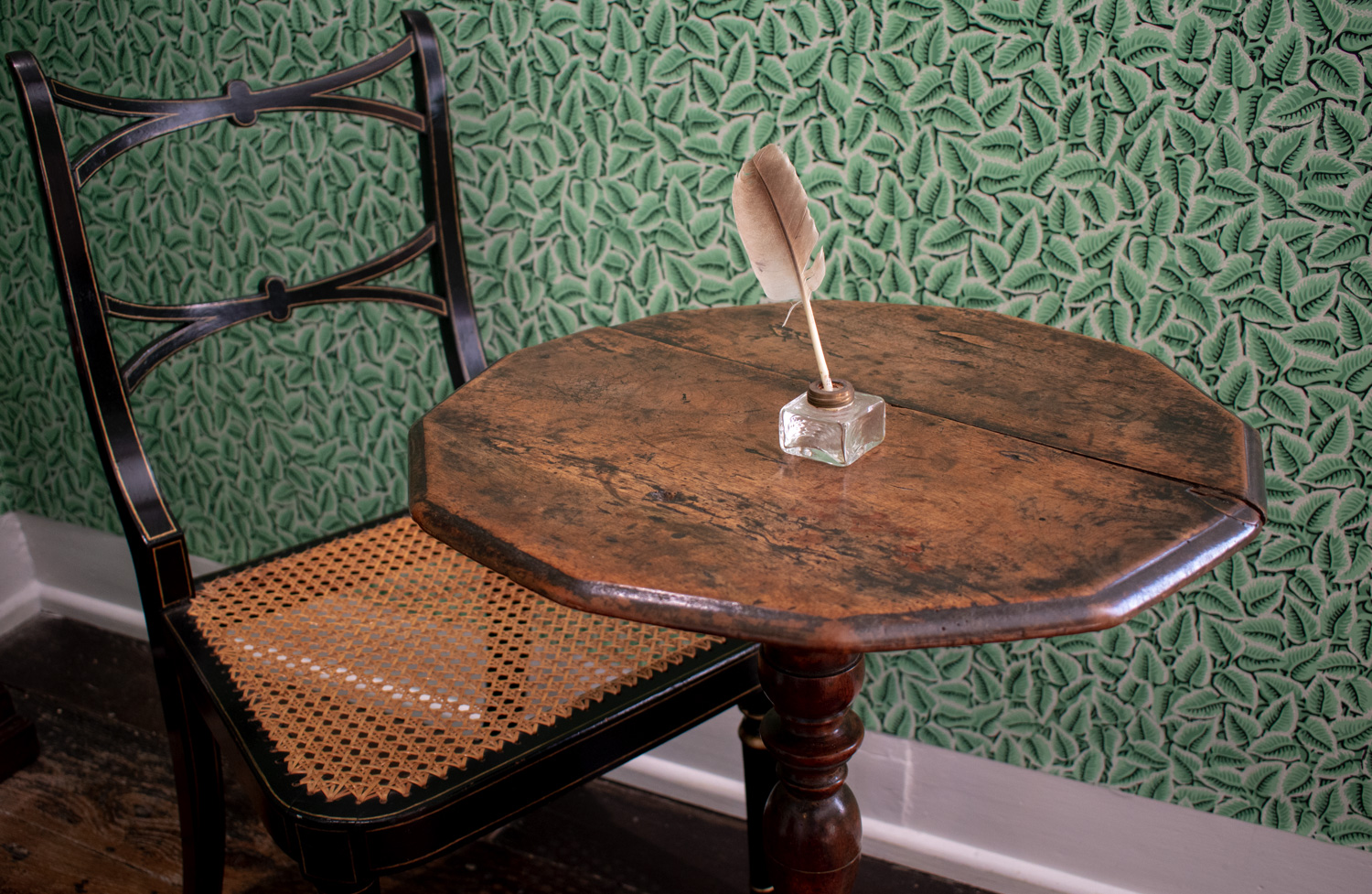
How Did Austen Feel About the Slave Trade?
Emma and Mansfield Park both mention the slave trade. What is Austen saying there?
-
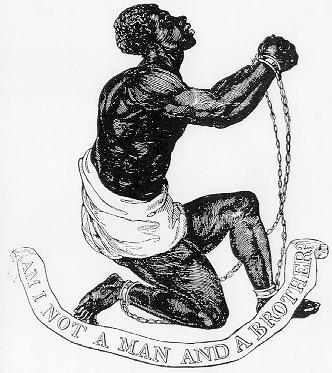
Miss Austen—No Politician, She
On the 250th anniversary of Jane Austen’s birth, she remains a touchstone for politics for many people. We find that white supremacists are co-opting the English author in support of a racial dictatorship, shocked opponents are claiming that true readers are “rational, compassionate, liberal-minded people,” and conservatives are chiding Janeites for assuming that great literature…
-
What if everything we know about the practice of dowry is wrong?
The dowry system, historically viewed as a transaction treating women as property, served deeper economic and social purposes across cultures. It provided women financial security through marriage settlements, reflecting societal norms and gender inequality. While its significance diminished in the 19th century with legal reforms, its legacy continues to influence contemporary discussions on women’s independence…
-

Some Days are Hard
Today’s blog analyzes Jane Austen’s exploration of gender-based violence and oppression in her novels, emphasizing how societal norms silenced women’s voices during her time. Austen’s nuanced portrayals reveal the limitations imposed on women, illustrating themes of coercion, economic pressure, and the struggle for autonomy while critiquing cultural attitudes towards female agency and victim-blaming.
-
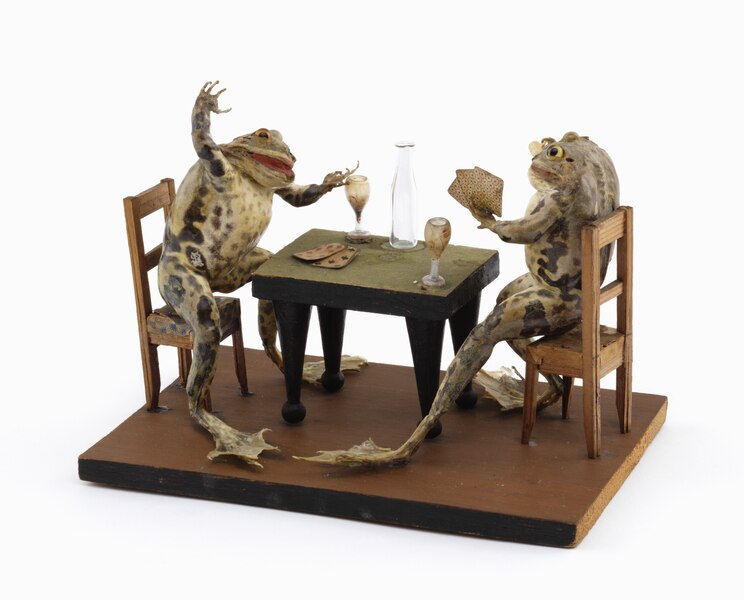
Unusual Regency Hobbies
Shoe making, graveyard picnics, and anthropomorphic taxidermy…just a day in the life of the Regency and Victorian upper class.
-

Royalties and The Weight of Paper – Jane Austen’s Relationship with her London Publishers
Jane Austen, a renowned novelist, faced financial struggles due to early 19th-century publishing practices and gender biases. Despite limited success, her works like Sense and Sensibility and Pride and Prejudice critiqued societal norms and paved the way for future generations of female authors.
-

The Woman Who Left England-and Convention-Far Behind
What if Elizabeth Bennet had never married Mr. Darcy? What if, instead, she packed a few essentials, headed off to the Middle East, donned turbans and pantaloons, read ancient prophecies, and hosted Bedouin chieftains in a mountaintop fortress? Of course our favorite fictional heroine never did that. But Lady Hester Stanhope, a real life contemporary…
-

What Really is a Spinster? Women’s History Month – Economic Opportunities for Women in Austen’s Time
The term “spinster” originated from women spinning yarn, often unmarried for economic reasons. By the 18th century, it became a legal label for unmarried women, developing negative connotations of failure. This article explores women’s historical professions, revealing how their independence and financial options challenged societal norms, paving the way for future generations.
-
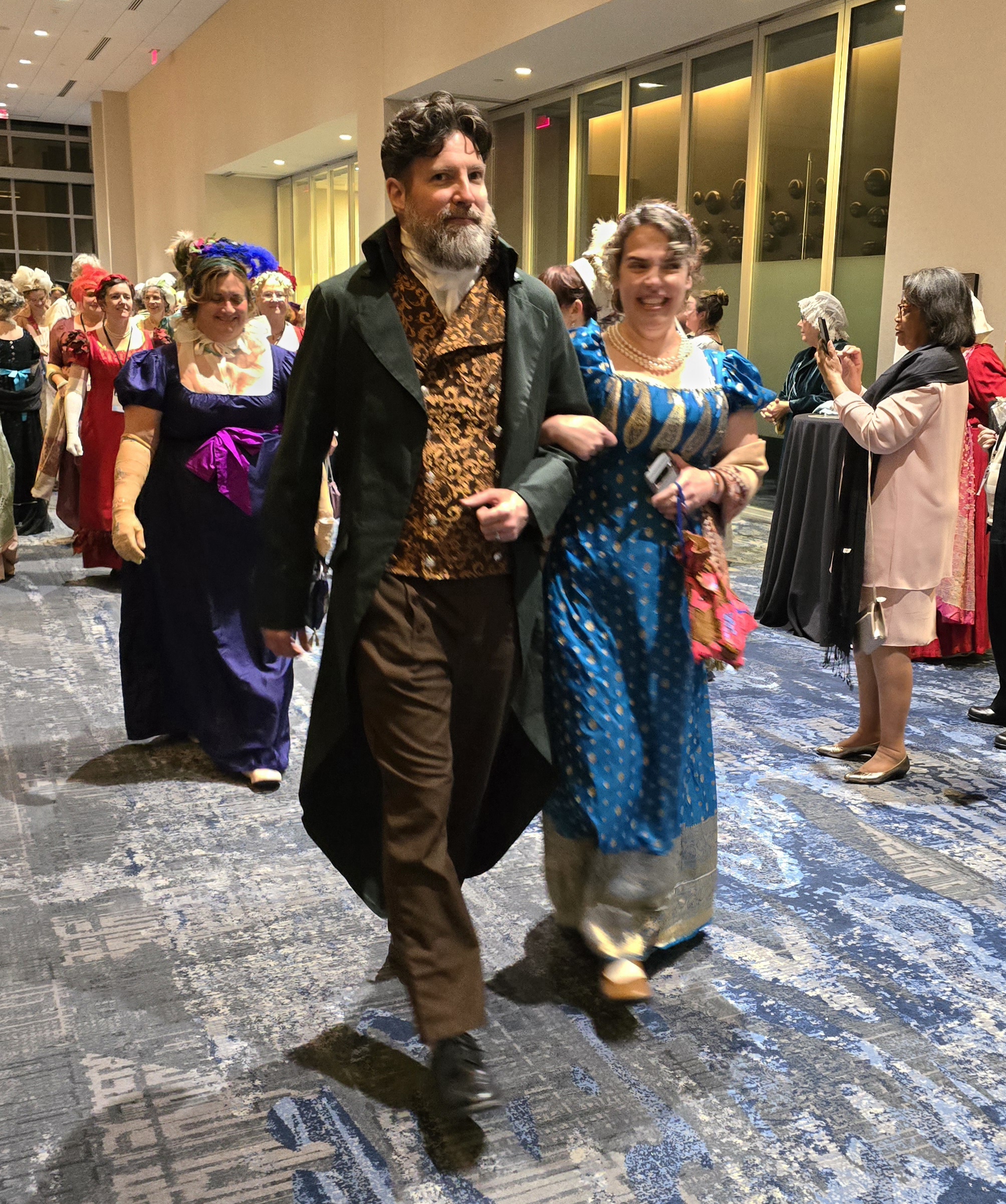
Fresh Thoughts on the 2024 AGM
It is ever so difficult to characterize an annual general meeting (AGM) of the Jane Austen Society of North America (JASNA). There are so many different elements—local tours, specialty events, sometimes a major evening event, the plenary speeches open to all attendees. Multiple breakout sessions go simultaneously for two days so that no one person…
-

From Vindication To Persuasion
Here are some musings on Mary Wollstonecraft, who was a pioneering writer and advocate for women’s rights. Her works, particularly A Vindication of the Rights of Woman, laid the groundwork for modern feminism. Her critiques on education, gender roles, and marriage resonate in the novels of Jane Austen, highlighting strong, intelligent heroines who challenge societal…