
Category: Jane Austen
-
What Happened to Kitty and Mary?: Austen Reveals What Happened to Her Characters After the Novels Ended
Read about Austen’s endings for Jane Fairfax, Kitty, and Mr. Woodhouse.
-
The Rules of Austenesque Fiction
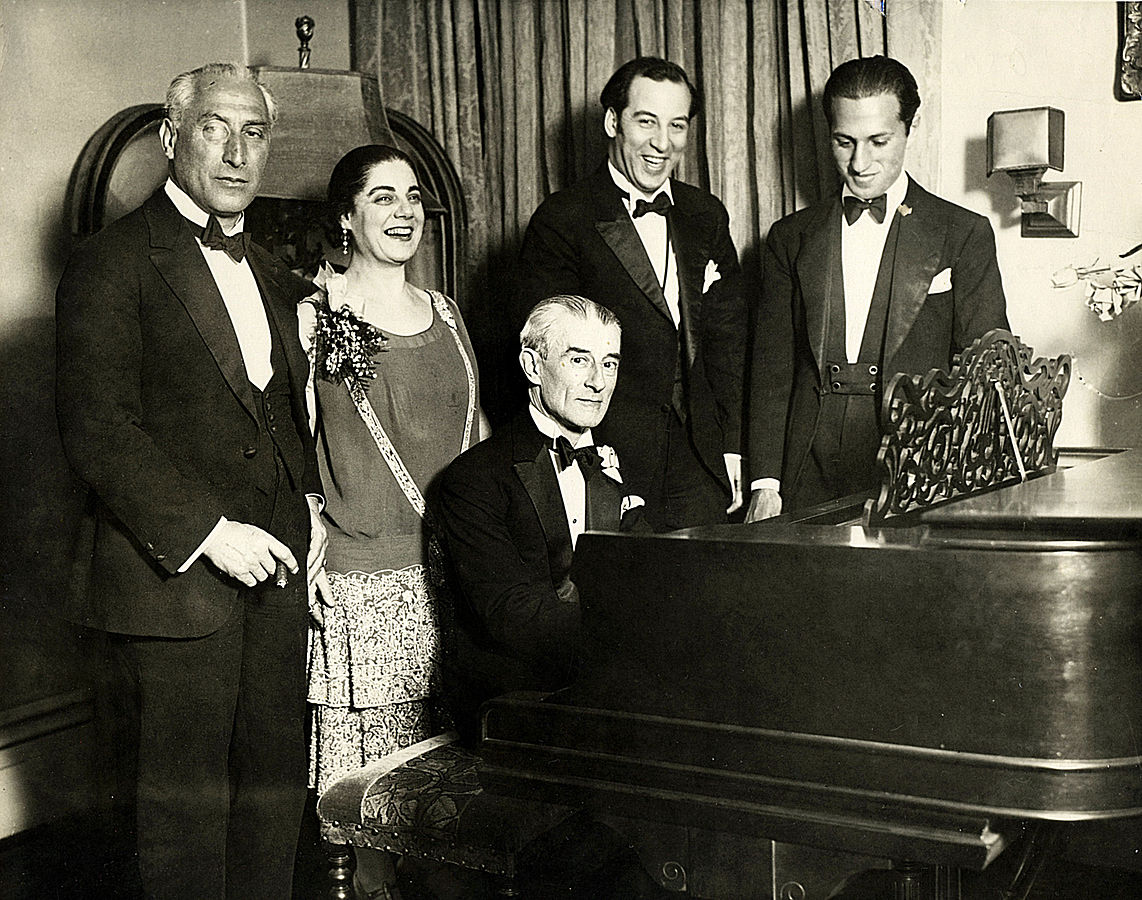
Before I wrote this column, I listened to Benjamin Grosvenor’s performance—with the Royal Liverpool Phil—of George Gershwin’s Rhapsody in Blue. Gershwin’s work played a central part in the opening movement of the Bennet Wardrobe Series, The Keeper: Mary Bennet’s Extraordinary Journey. The music allows us to find something familiar that serves to link the Mary…
-

Packet Ships, Peril, and Persuasion: Setting Sail in 1813 (+ an Excerpt)
There’s something gloriously impractical about sending a lady to sea in the Regency era. The skirts! The cockroaches! The chamber pots that slid everywhere! Yet by 1813, Britain was bursting with people doing exactly that—soldiers, diplomats, merchants, and, occasionally, their wives—rattling around the globe in those sturdy little packet ships I’ve been describing lately. My…
-
Don’t Read Pride & Prejudice (again)
The following post is satire, I love Pride & Prejudice. This is only meant to highlight some of the merits of Jane Austen’s other works in an amusing way. And in fact, you should always read Pride & Prejudice again, why not? Here is EVERYTHING WRONG with Pride & Prejudice and why you should read…
-

Orwell Nailed It
#PrideAndPerjury #JAFF #HistoricalFiction #SelfPublishing “Writing a book is a horrible, exhausting struggle, like a long bout of some painful illness.” George Orwell First, please note what Orwell did not say. Writing is often intensely enjoyable – even non-fiction. It’s when your enjoyable project turns into a judgeable, sellable, editable book that the illness kicks in… My…
-
Austen Friendships
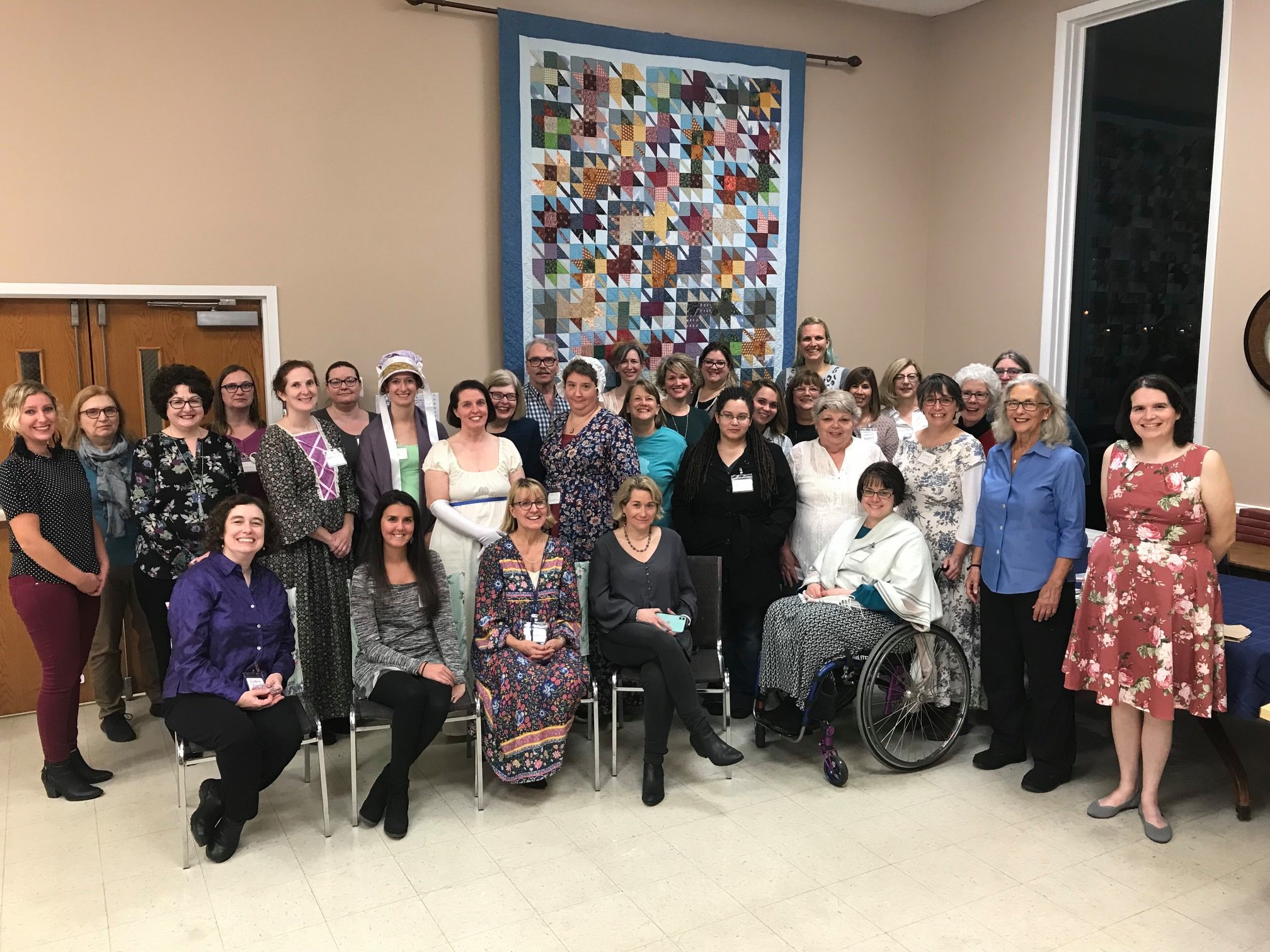
In the past few months, I have been thinking about relationships, particularly friendships. Each of us has groups of friends. Some of them we met through family; some at church, school, or work; and others through our interests. Some friend groups crossover and some have never met. There are those friends that we attend specific…
-

Rules of the Road for Regency Language
Writers of Austen-based or broader Regency fiction regularly discuss the use of language by a modern writer for that period. I, too, reflect on my approach—which I considered for quite a while in my historical fiction based on Jane Austen’s life. For general language, I take the actor’s approach when preparing to play an historical…
-
Paths Retraced: Travels and an Anthology
As I write this post, I’m still dusting the final vestiges of jet lag from my shoulders, almost but not quite back into the routine and—yes—time zone of my normal, everyday life. We returned just a week ago from another visit to the United Kingdom. We were there to help my daughter settle into her…
-
Murder, Theft, and Guillotines: The Colorful Lives of Jane’s Family & How They Influenced Her Novels
Murder! Theft! Guillotines! Dive into the colorful lives of Jane Austen’s family members and how they influenced her novels.
-
The Free Indirect Discourse of Jane Austen
I tend to be a very black and white thinker, and I was told–as so many are in early writing classes–that an omniscient narrator is a bad idea. It leads to head-hopping; it’s old-fashioned; it’s not popular. Only attempt it if you’re a genius with literary aspirations. And I’m not paraphrasing, that is exactly what…