
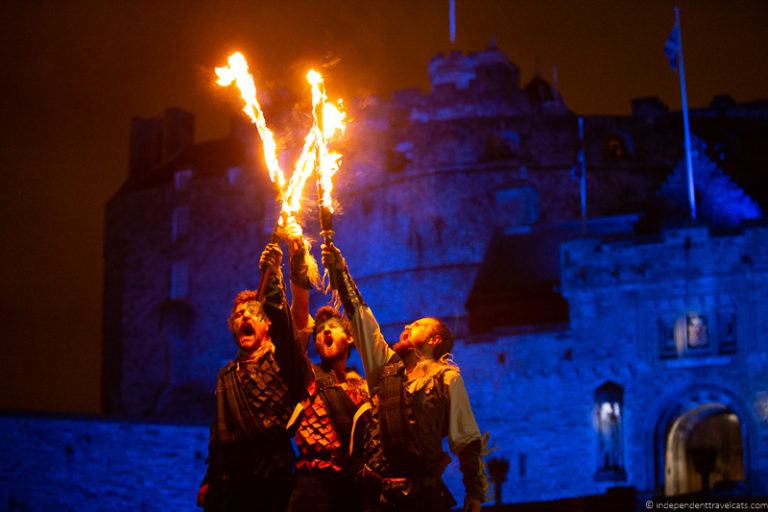
My post on the first of December explained how the Kirk of Scotland frowned upon (our outright outlawed for a time) celebrations at Christmas – deeming them as too frivolous for a Christian holy day; thus today, I wish to share how the average Scotsman found a way to bring warmth, light, and fun to the dark mid-winter days.

The turn of the year had no significance in the Christian calendar, giving the party loving Scots the perfect opportunity to celebrate. The twelve-day burning of the Yule log transformed into bonfires and fireworks at Hogmanay, Yule feasts with friends morphed into the first-footers, and Christmas gifts became those given on Handsel Monday. Collectively, this time of the year was a time of celebration, merry-making, and excess and was called ‘daft days’ after a seventeenth-century poem by Robert Fergusson.
Hogmanay (“hog-muh-nay”) is the Scots word for New Year’s Eve, though the merry making begins a few days before and stretches through January second, with parties, dances, and bonfires in the streets. Hogmanay was the principal festival in Scotland for centuries and still remains an important part of the winter tradition in Edinburgh and other locales. (Supra: the torchlight procession near Edinburgh Castle) Historically, during Hogmanay, in villages in both the lowlands and the highlands, villagers would circle the houses counter-clockwise, piping and beating the side of the house to drive away evil and raise the household. Upon the opening of the door, the visitors would share a small meal of oat bread and cheese – and of course the dram of whiskey – before moving on to the next neighbour. The goal of this variant of the Soulers of All Souls Day (November 2) or carollers of Christmas was to erase the squabbles of the past year with fun and laughter.


And as much as I am not Rabby Burns’ greatest fan – though I do appreciate his use of the Scot’s language and his loving descriptions of his homeland – then, as now, no Hogmanay night is complete without a however drunken and inharmonious singing of Auld Lang Syne.
One of the most interesting traditions of the Hogmanay is the ‘first-footing’. After the clock strikes mid-night, ringing in the new year, people would strive to be the first guest to cross the threshold of a friend. To be the first-footer, bearing a cup of libation or a lump of coal, is good luck not only for yourself, but it likewise brought blessings to the household. A householder – then and now – particularly desired a dark-haired gentleman, one who had not been in the house at midnight, as the first-footer, for they were said to bring the most luck. (This is probably a carry over from the Viking invasions of the eighth and nineth centuries where a blond man entering your house was the opposite of good luck.)
Handsel Monday, the first Monday of the new year, traditionally ended the time of excess. Handsel is derived from an old Saxon word, meaning “to deliver by hand”, and gifts were exchanged with family, friends, and neighbours. Traditions included waking up early to the sound of boys kicking pans to wake their neighbours to wring the most enjoyment possible from this last daft day.

I share with you all, dear readers, the traditional Scots New Year’s blessing: Lang may yer lum reek. It’s not an insult, I promise. It means “long may your fire burn” – a great blessing in a land so dark and cold at this time of year. I, too, wish each one of you all the blessings possible in 2024. Godspeed!
Link to Robert Fergusson’s (1750-1774) poem, Daft Days: https://d3lmsxlb5aor5x.cloudfront.net/library/document/The%20Daft%20Days.pdf


Leave a Reply