
Category: British history
-
Blackbirds in Austen’s World
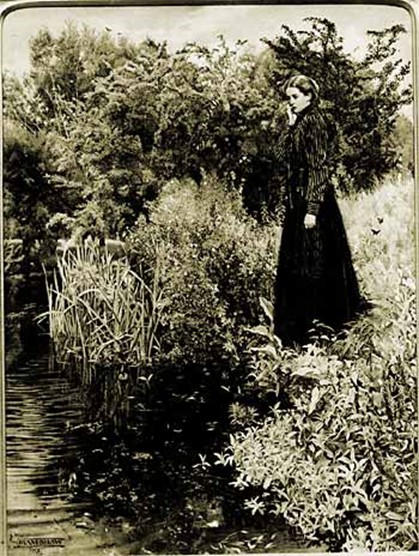
The war widow: sentimental depiction of a grieving woman whose husband has gone to fight in the South African War. Photograph of The Boer War, a painting by John Byam Shaw. &&&& These reflections upon military widowhood in Austen’s time found root in the first and seventh volumes of the Bennet Wardrobe Series, where Lydia…
-
Another Stroll Through Bath’s Pleasure Gardens
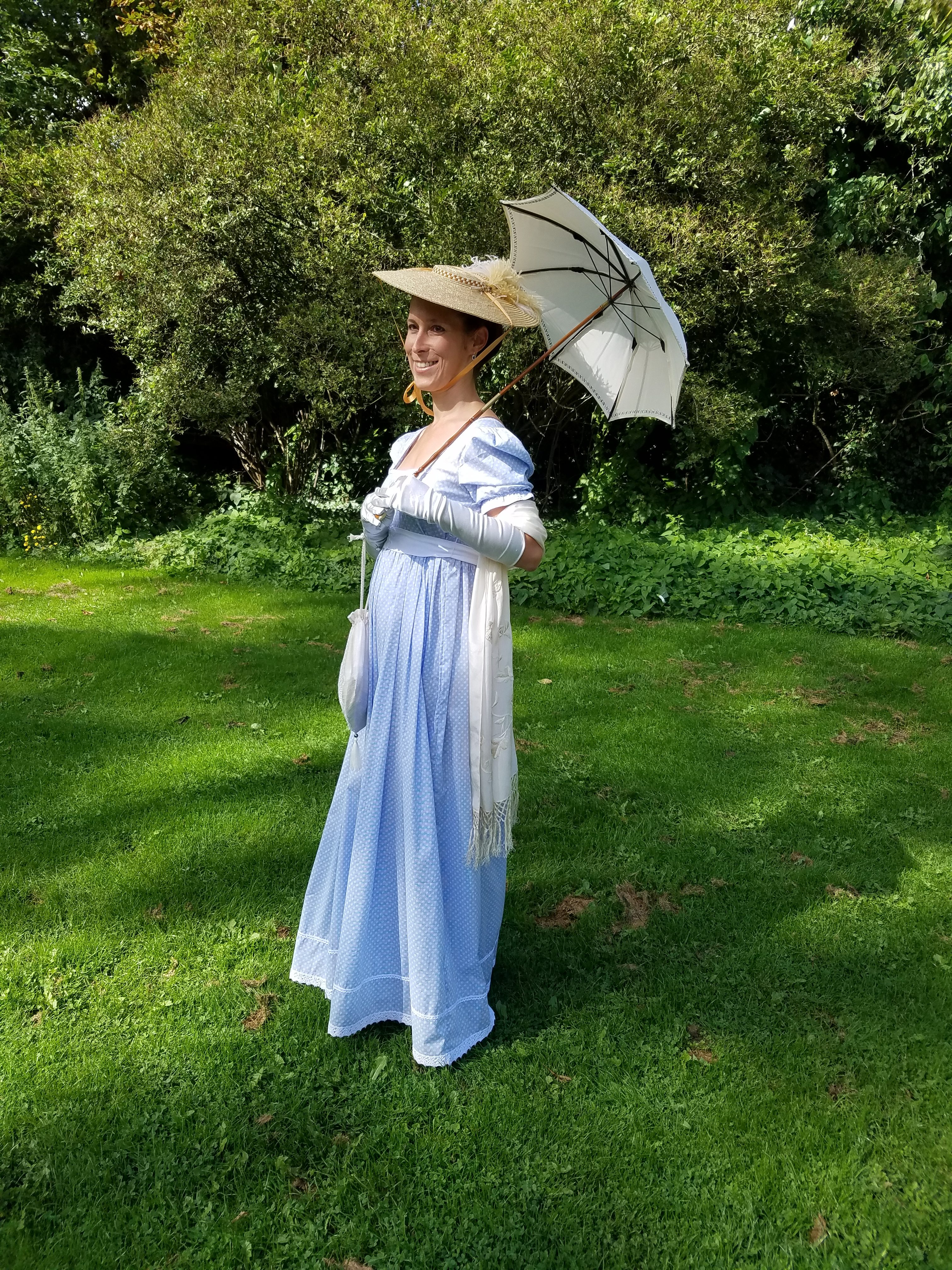
In the middle of the commemoration of the 250th anniversary of Jane Austen’s birth, many places in England—and especially Bath—have been awash in celebrations. I was unable to attend, but the busyness of the town, as related by residents and tourists, caused me to revisit and re-enjoy my own travels there a few years back.…
-
The Weight Your Calling Card Holds
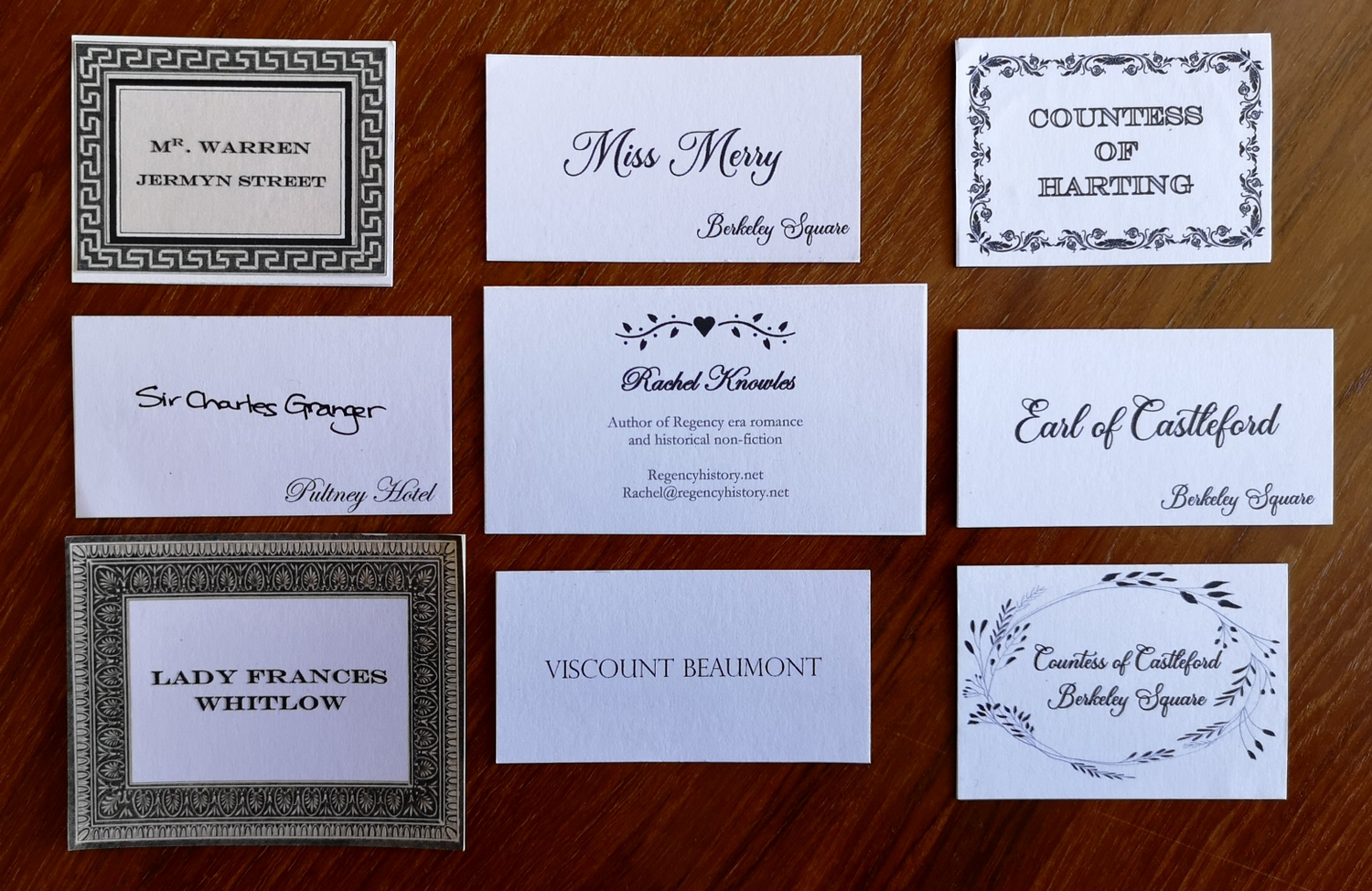
One tradition that has been kept, and for the better, is the calling card, though it is now the business card. As I was designing one, I wondered more about the calling cards of the Regency. One fun fact is that the lady’s card was actually a little larger than a man’s. There were so…
-
Thaddeus Ever Valiant
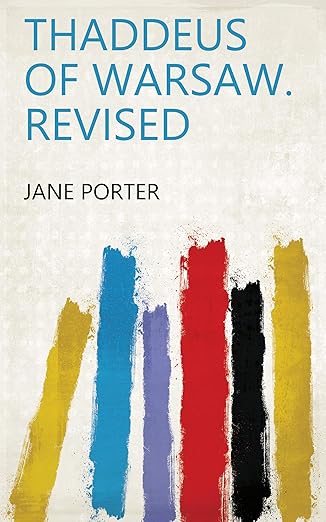
There’s always the hope that there might remain a brilliant female writer from the 1700s or early 1800s who has been lost to obscurity. That’s why, over the years, I go back once in a while to read someone new to me. One of these is Jane Porter, who along with her sister Maria became…
-

What if everything we know about the practice of dowry is wrong?
The dowry system, historically viewed as a transaction treating women as property, served deeper economic and social purposes across cultures. It provided women financial security through marriage settlements, reflecting societal norms and gender inequality. While its significance diminished in the 19th century with legal reforms, its legacy continues to influence contemporary discussions on women’s independence…
-
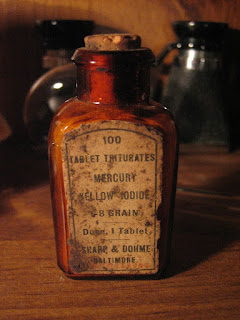
When Mercury was a Cure-all
Everyone who reads my books knows that I have the Miss Bennets, particularly Mary, and, at times, Charlotte Lucas to be extraordinarily capable alchemists in the stillroom. Rarely is it without a later purpose, from scented waters that may be included in travel kits to medicinals that Miss Kitty needs to ease her cough to…
-
What Did Jane Austen Have to Say About Her Own Novels?
Take a peek into Austen’s letters to find out what she thought about her works and about herself as an author.
-
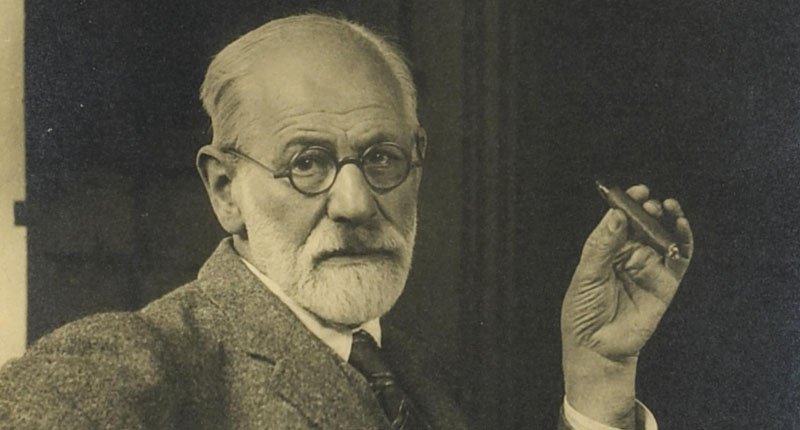
Freud and Writing Austenesque Fiction
Consider the Canon. Jane Austen is frequently thin on details and does not offer much data about the Regency’s social environment. She rarely addresses the great questions of the day, except for suggesting that Tom Bertram’s time in the West Indies left him scarred and damaged. The same holds for settings. She does not expend…
-
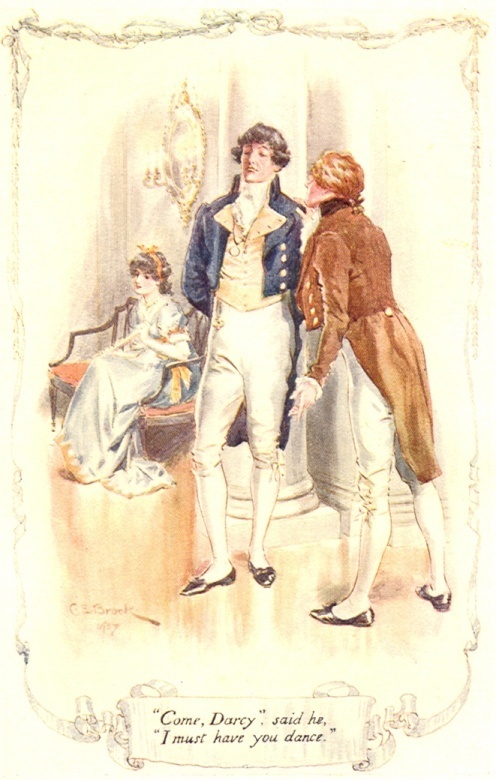
Did Austen Speak Posh?
In our last blog, we heard how Shakespeare’s English much more resembled the accents of the provinces than the “proper” English favored today by actors and newscasters, the latter being an accent called “Received Pronunciation” or “RP.” Jane Austen had knowledge of and appreciation for Shakespeare. There are parallels between her social comedies and his, Willoughby reads…
-

Some Days are Hard
Today’s blog analyzes Jane Austen’s exploration of gender-based violence and oppression in her novels, emphasizing how societal norms silenced women’s voices during her time. Austen’s nuanced portrayals reveal the limitations imposed on women, illustrating themes of coercion, economic pressure, and the struggle for autonomy while critiquing cultural attitudes towards female agency and victim-blaming.