
Author: Tiffany Thomas
-
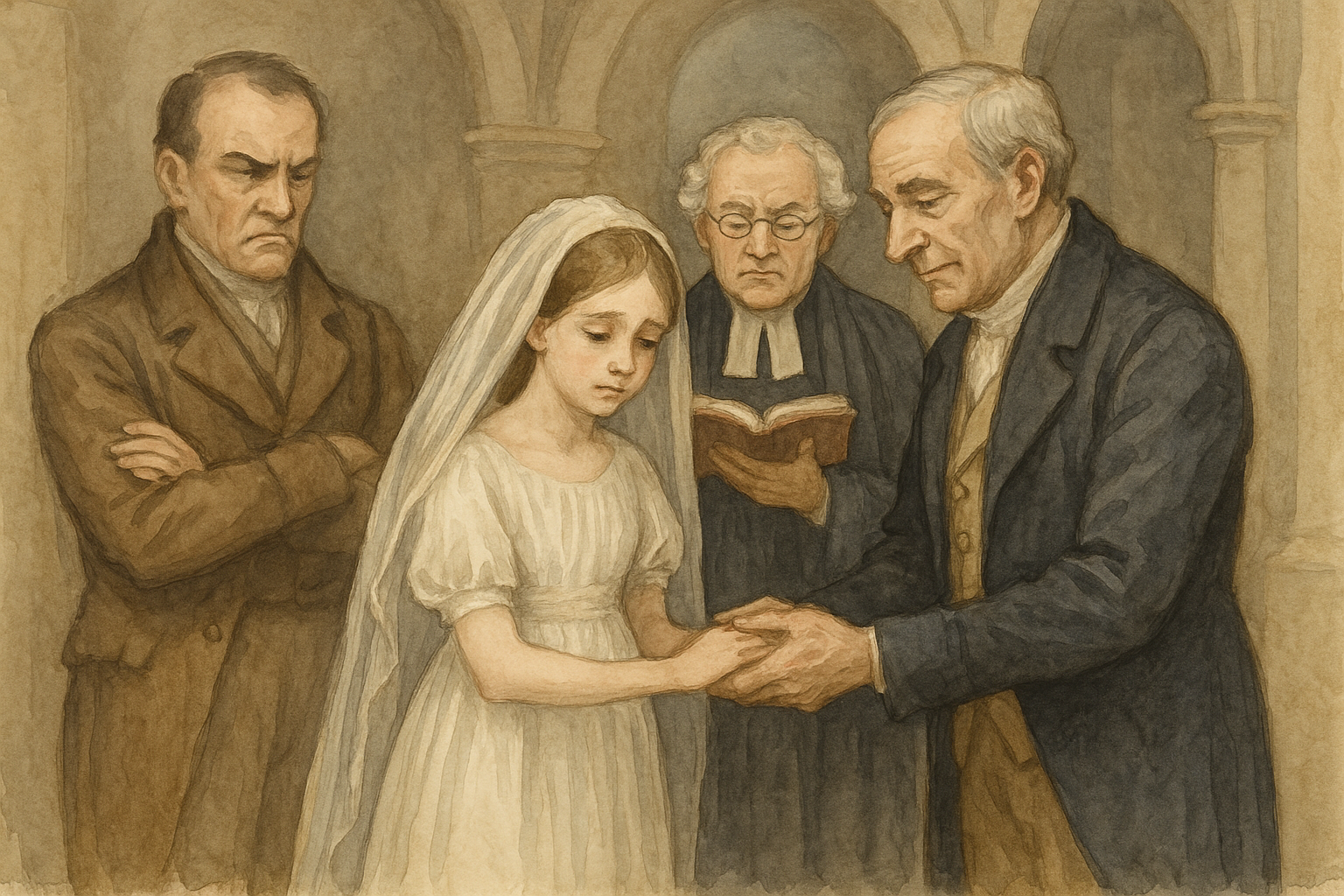
Compelled Unions: Arranged and Underage Marriage in the Regency Era
When people picture Regency England, they often imagine elegant ballrooms and whispered declarations of love. But for many young women, marriage was not a matter of choice at all. Arranged matches, family duty, and questions of property meant that girls—sometimes shockingly young—could be pressed into marriages they did not want. Legal Framework Under Lord Hardwicke’s…
-

Hidden in Plain Sight: Homosexuality in the Regency Era
The Regency era (1811–1820) is often celebrated for its glittering assemblies, sharp wit, and romance—at least in fiction. In reality, beneath the polished manners and candlelit ballrooms, there existed a far more dangerous truth for those whose affections strayed from the heterosexual norm. Homosexuality, particularly between men, was not simply frowned upon; it was illegal,…
-

Behind Closed Doors: Child and Spouse Protection Laws in Regency England
The Regency period (1811–1820) is often remembered for its glittering balls, elegant manners, and refined social codes. But beneath the surface of polished drawing rooms lay a stark truth: the legal protections we now take for granted for spouses and children were virtually nonexistent. In matters of physical abuse, the law of the early 19th…
-
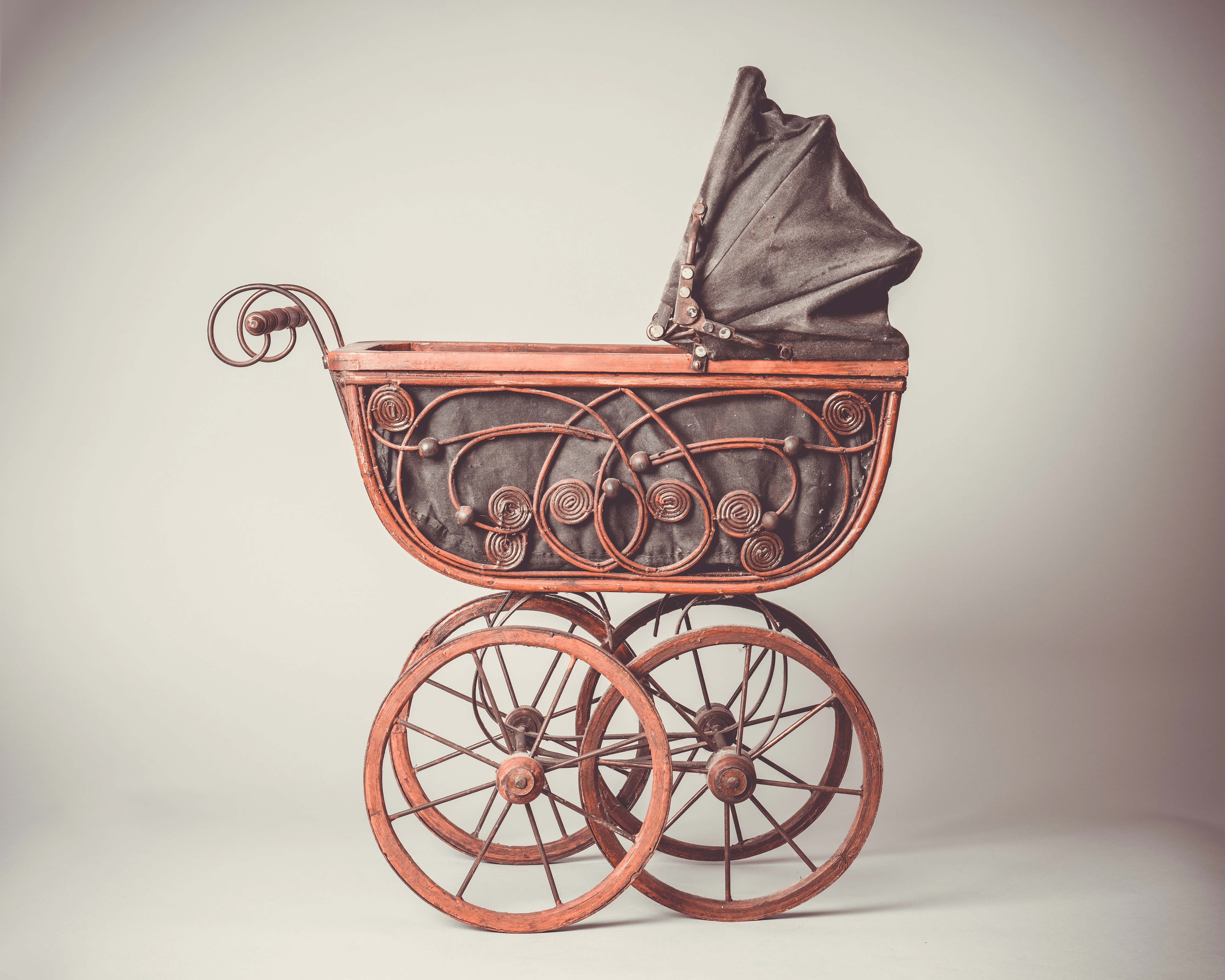
Cradles and Class: Childcare Roles in Regency England
In the grand households of Regency England, the upbringing of children was not solely a maternal task. Behind every nursery door was a carefully structured hierarchy of female servants dedicated to the care and management of the youngest members of the family. From birth through early education, a child of the gentry or aristocracy might…
-
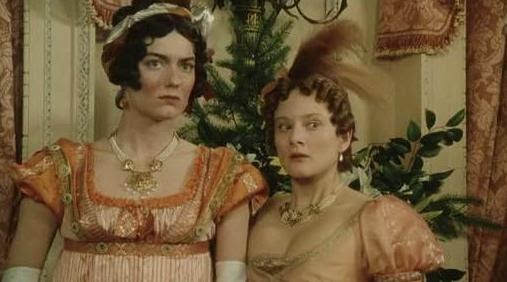
Naricissists in Jane Austen’s Novels
Here are some of the narcissists that are in Jane Austen’s novels.
-

The Colors of Sealing Wax and Their Role in Regency-Era Etiquette
In Regency England, letter-writing was not only a necessity for communication but also a reflection of one’s social awareness and propriety. The paper, handwriting, method of folding, and especially the sealing wax all contributed to the message’s presentation and tone. While wax was primarily used to secure folded letters before envelopes were widely adopted, its…
-
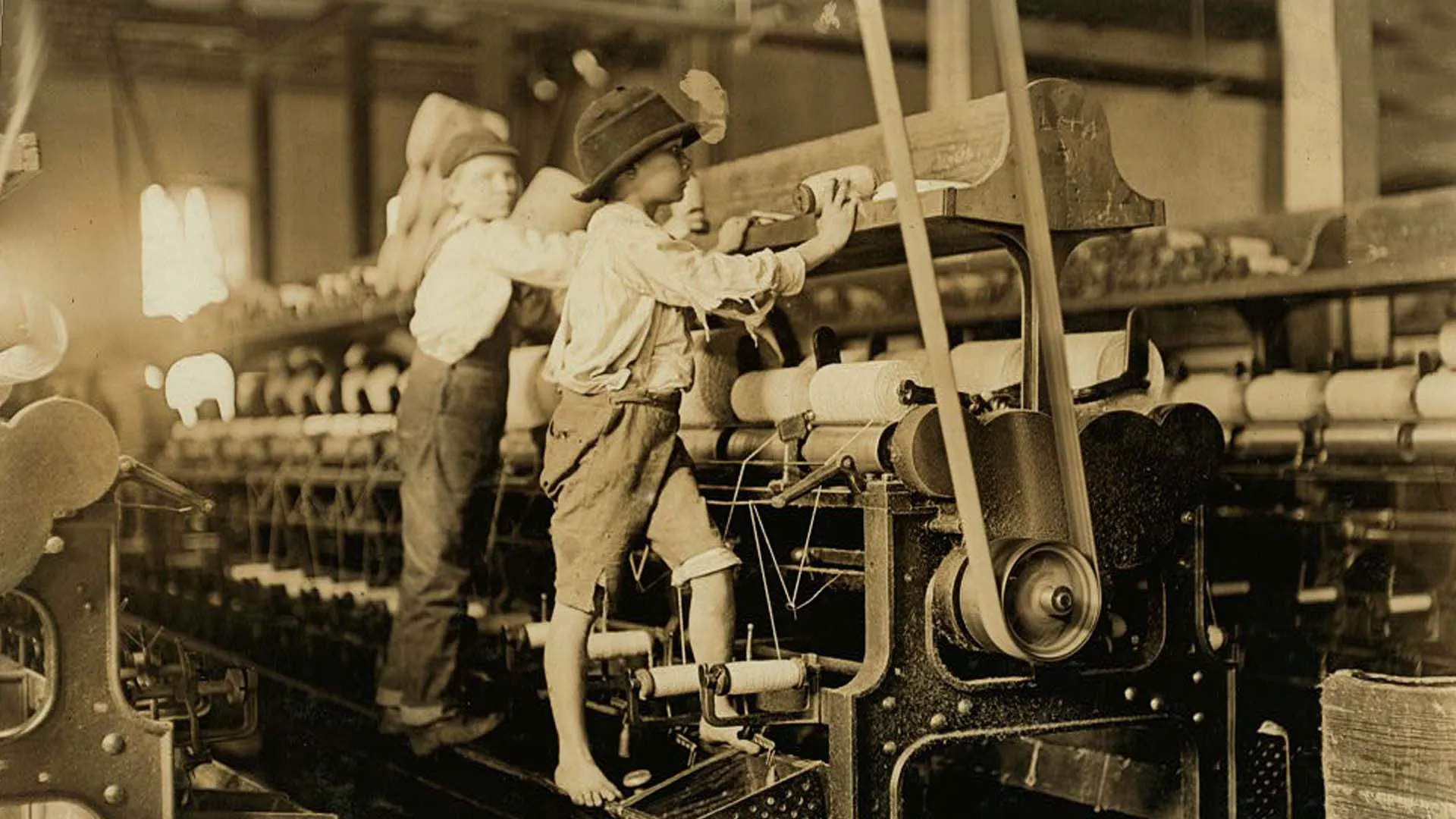
Child Labor Laws in Jane Austen’s England
Learn more about child labor laws and reform in England during the early Regency era. While the drawing rooms and ballrooms of the Regency era evoke visions of silk gowns, glittering chandeliers, and the measured grace of high society, the reality for much of England’s population—especially its children—was far harsher. In the early 19th century,…
-

Two London Theater Fires
In the Regency time period, there were two London theaters that caught fire and burned down. In the early 19th century, just months apart, two of London’s most celebrated playhouses—the Covent Garden Theatre and the Theatre Royal, Drury Lane—were destroyed by fire. The twin disasters of 1808 and 1809 left the city’s cultural scene reeling…
-

The Birth of Property Insurance in England
The history of property insurance in historic England.
-
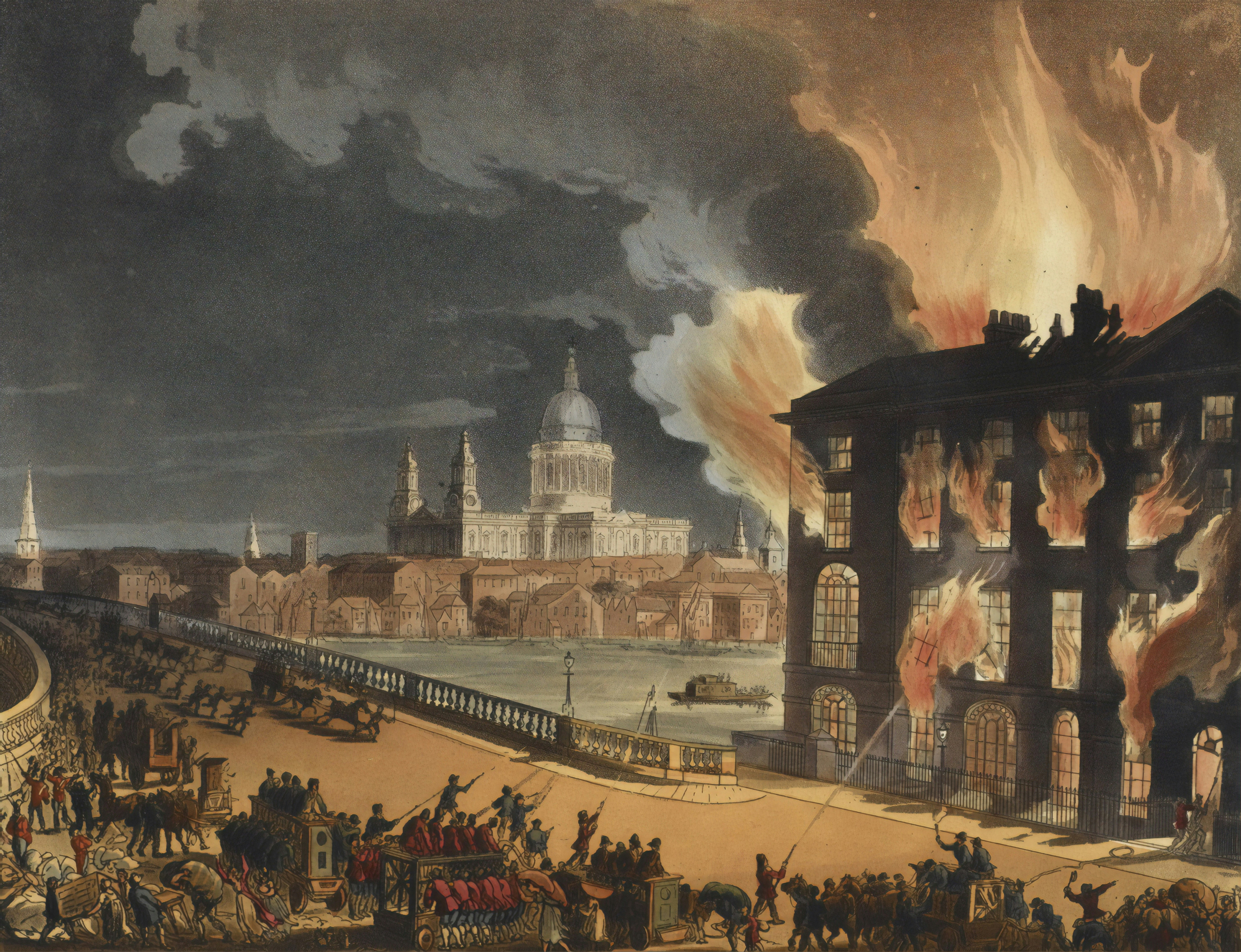
How the Great London Fire of 1666 Affected Jane Austen
Jane Austen was born more than 100 years after the Great London Fire of 1666, but the changes in the city had an impact on her life. Read on to find out more.