
Author: annhawthorneauthor
-

John Oswald, a Scottish Adventurer
John Oswald had been born in Edinburgh in 1760, a son of either a blacksmith or an innkeeper. It is said that it was his father who gave him his love of writing and literature. That is surprising, because neither profession is usually associated with such passions. On the other hand, late 18th century had…
-

The first (and only) female historian in Georgian England
Georgian England is usually more associated with powdered wigs and aristocratic scandals than radical or revolutionary ideals. However, there were thinkers back then who supported the latter most ardently – and one of them was Catherine Macauley. Little is known about her early life, apart from the fact that she grew up with her brother…
-

How the Regency era changed women’s garments
The Regency era, while famous in popular culture for its genteel ways, was a period of immense social and political upheaval, and women’s fashion served as a clear reflection of these signs of times. Moving away from the rigid, opulent styles of previous decades, a new, more natural silhouette emerged, heavily influenced by both foreign…
-
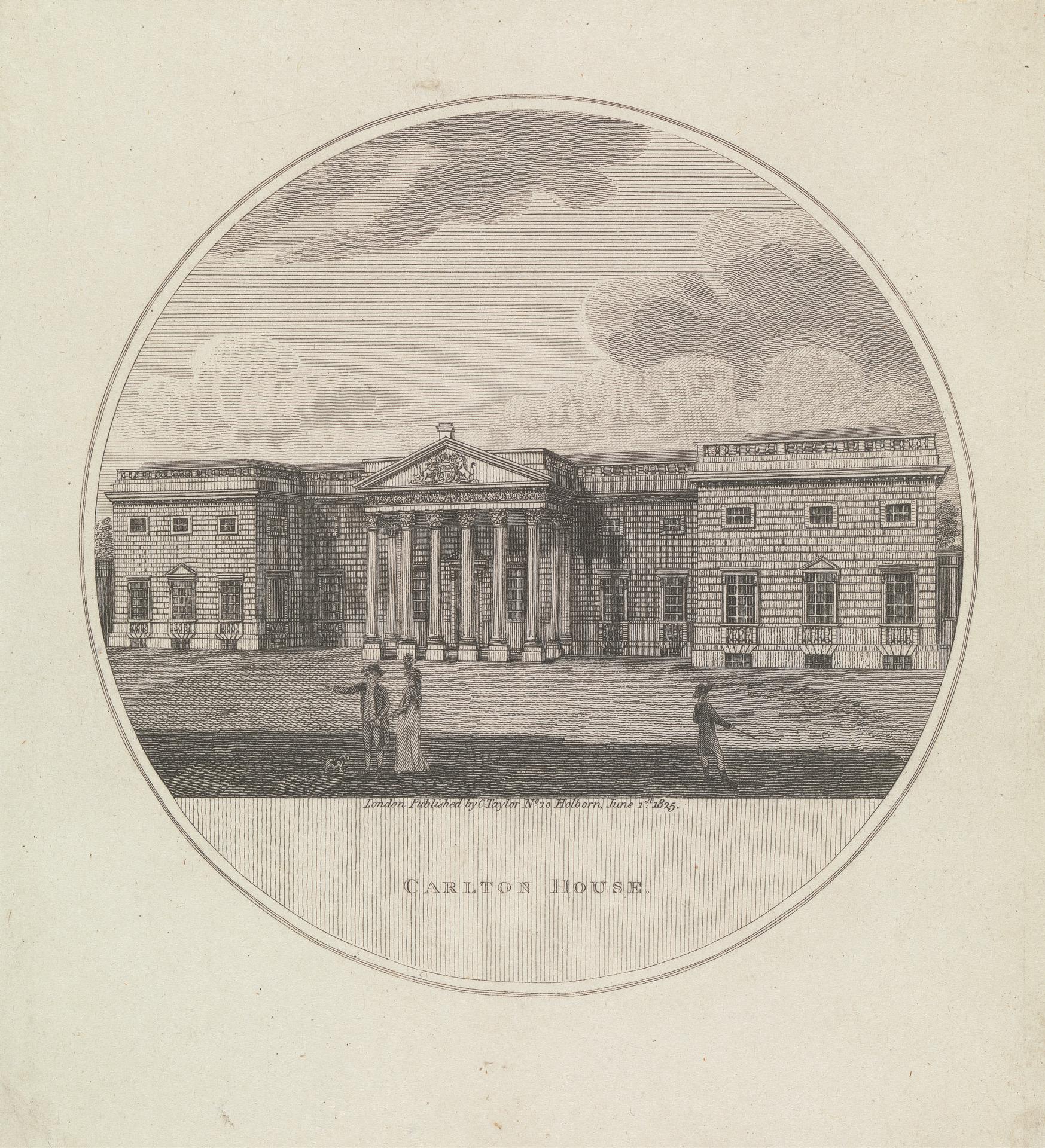
The Politics of Regency Neoclassicism
We tend to perceive the fine neoclassical residences of Regency grandees as a neutral backdrop to the unfolding dramas. However, the design of these great houses had been shaped by rather dramatic forces as well. It started with the resurgent interest in classical antiquity – Rome and, to a lesser extent, Greece (although Alexander Pope’s…
-

Drinking like a Regency Buck
What if you were praised for drinking lots of alcohol? In Regency England, you could be! Well… if you were a wealthy man. Nowadays, we think that immoderate drinking is a sign of weakness. However, back in the 1800s, it was often considered to be something between a neutral trait and, in some circles, a…
-

Oxford for Dissenters?
One often associates religious conflicts of the past with earlier ages than the Regency (grisly persecutions of the Tudor era come up in the collective imagination fairly frequently). However, Jane Austen’s contemporaries who were Catholics or Dissenters (or, on one occasion, students from the Muslim Persia!) could come up against rather solid obstacles when it…
-
The Spring is Coming
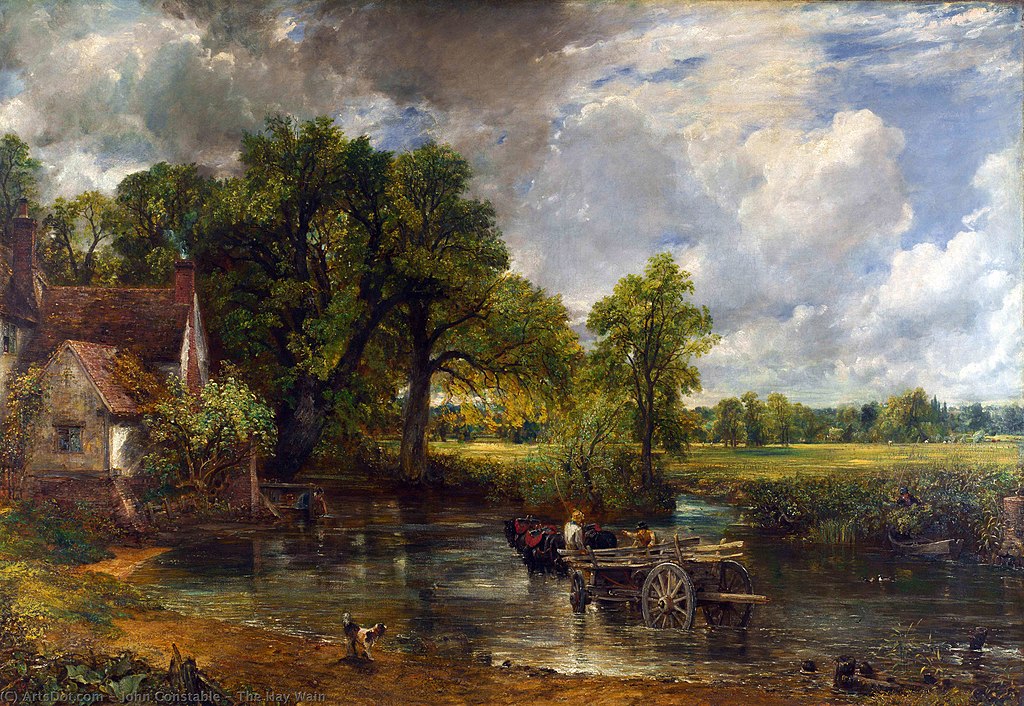
So, March is upon is; the power of winter is broken. To us, it means that the sun is growing brighter, and the clothes are growing lighter; it might also mean such things as the spring cleaning, the May holidays… however, beyond these factors, our lives are not likely to be affected by the changing…
-
What did Regency landowners actually do?
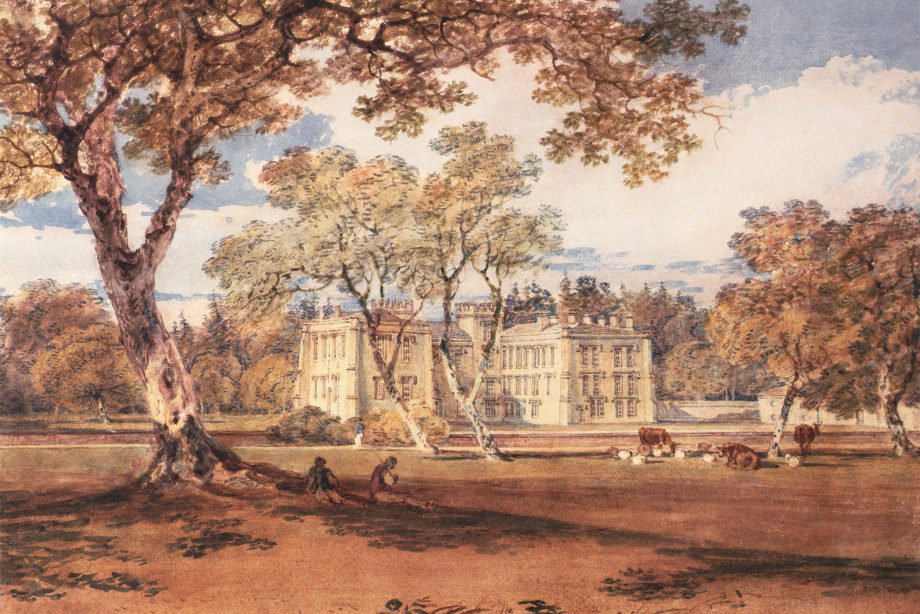
When reading Regency-set fiction, we are used to encountering mentions of the hero owning estate of a certain number of acres, or an estate bringing him X amount per year. However, what did those rolling acres represent in practice, and, most importantly, how did one manage to make them bring one that yearly income? Well,…
-
Gamekeepers on Regency estates
Hunting scenes are plentiful in Regency-set novels. However, the events of the hunting season, the highlight of the gentry’s yearly calendar, did not come about just like that. One had to train the dogs, protect (in some cases, raise!) the game, and, in the end, organize the hunt proper. That was when the estate’s gamekeeper…
-

Christmas Parlour Games in Jane Austen’s Day
There is no shortage for amusements available to us when it comes to Christmas nowadays. While Jane Austen’s contemporaries loved the holidays just as much as we do, their choice of entertainments was rather more circumscribed. One of such entertainments, especially suitable for a houseful of young people who wanted to have some fun, were…