
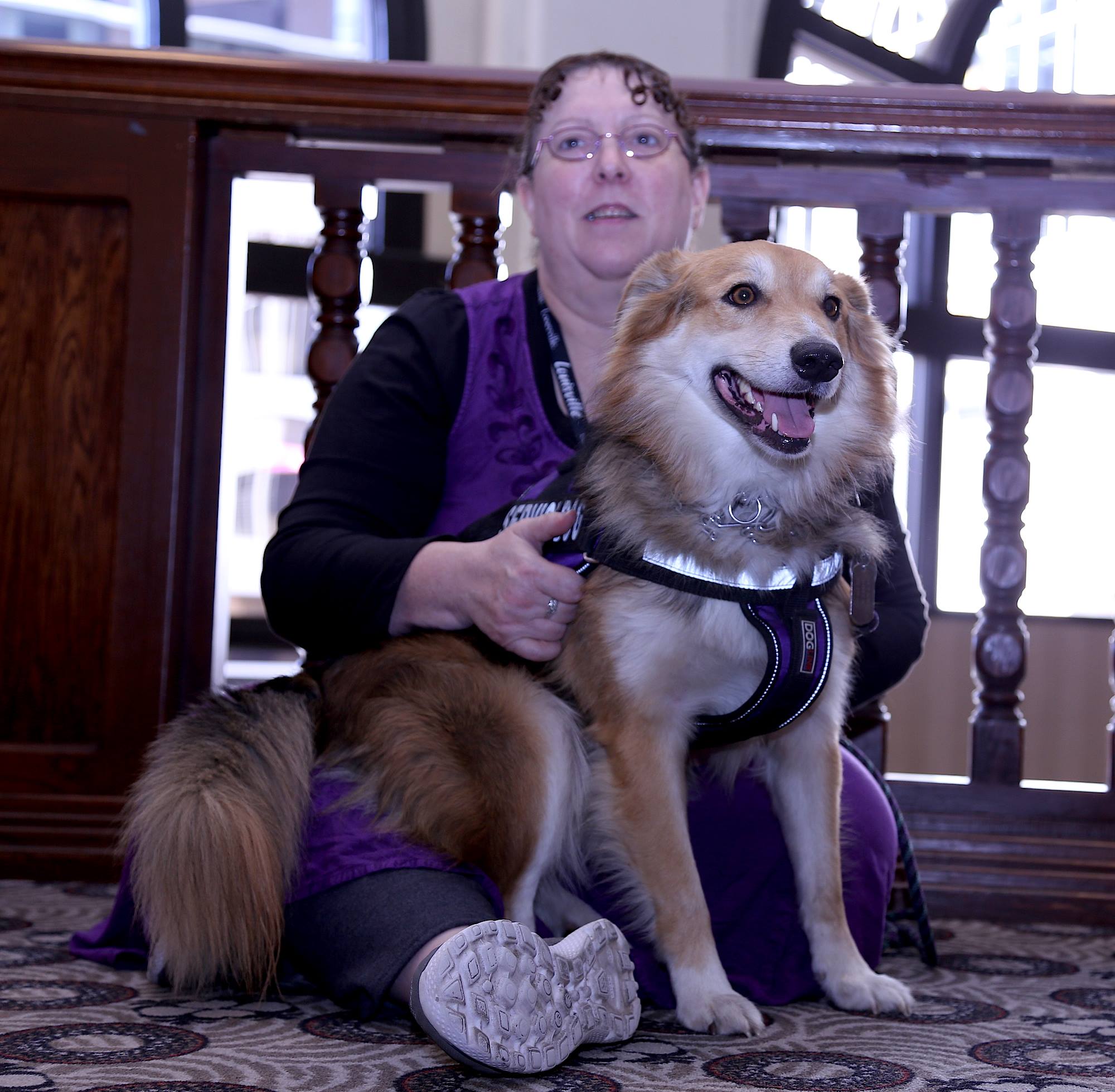
It is interesting to see how we look at animals today and what the animals were used for 200 years ago. Animals which we think of as pets today were bred for specific reasons, for specific jobs.
Cats were domesticated far longer than many other animals. There is documentation of African wild cat remains being found near human remains dated back to 7500 BCE, on the island of Cyprus. There were no evidence of native wild cats on the island, so it was believed that the cats were brought from the island with humans to aid to keep the rodents under control and were domesticated. The agricultural benefits continue throughout history, clear through to today, though for most of us in the cities, cats are just for companionship. During Jane Austen’s time, cats were still expected to serve there families in keeping the rodent population down, so they were still working animals, not really pets like we have today.

Horses today are not really pets, but they are not like they were 200 years ago. Looking back 200 years ago, horses were necessary for many different tasks, so different breeds were necessary for their different strengths. When you look at some of the breeds that would be pluses during Jane Austen’s time and location in the world, here are some that would be great to have around.
Fell ponies were known for hardiness, agility, strength, and sure-footedness, as well as its smaller, more pony like size. Was bred to carry almost any rider in the unforgiving mountainous environment of Cumbria in the north west area of England. These ponies are adaptable to almost any temperate climate.

The Fell ponies were joined by its relation the Dales ponies, which were a bit larger, yet were also a sturdy mountain and moorland pony breed native to the UK, coming from Yorkshire Dales. They were commonly used as packhorses for the lead mining companies and were very common as British army horse during both world wars. Dales Ponies are now an endangered breed, which is a shame to see, as humans have used them for their strength, courage, intelligence, hardiness, yet they are at a verge of being wiped out of existence because of humans. Extremely sad to see what we have done to many animals over the years.
Cobs. There are many names for cobs. There are Irish Cob, Gypsy Cob, Romani Cob, and more. Most are sturdy, solidly built horses, bred in the British Isles to pull wagons. They are commonly piebald, which is their patches of colors. Not all of them are piebald, but most are. Throughout history, due to the fact they were commonly used by the Romani or Gypsi people, looked down upon, the breed was not considered to be important or kept records of other than word of mouth by those in the Romani groups. It was mid 19th century when the travelling people in the British Isles officially used the Gypsy Cob/Horse to pull their caravans. Irish Cobs were common for pulling carriages and wagons, having the stamina and being sturdy enough to pull a wagon all day long.

Shire Horses and Clydesdales were bred to be draft or draught horses. That is a horse which is heavy duty, built to pull heavy weight. Farm work was one of the most common. Others, and for those in the US the most recognizable with the Clydesdale, brewer’s drays, which was used to deliver beer. Yes, the Clydesdale horses and Budweiser really do have a reason for being together. There is history there.


Ardennais is one of the oldest draft breeds of horses, which comes from Belgium and France. They are extremely heavy boned with heavy, thick legs. Their bloodlines were attempted to be added from multiple breeds, coming from ancient Rome, though Ardennais is the only one that made the significant impact. Later, in the early 1900’s, the US imported some of the horses
There are also many breeds of horses which have been bred for their speed, their willingness to head into fire or a battle, or their long distance. So many impressive breeds which Darcy would have loved to have, or Colonel Fitzwilliam would have desired for the military.
Then we have cows and pigs which have been domesticated over the years. They are not pets, for the most part, but they are not wild and foraging for themselves as they would have centuries ago.
When we look at the most domesticated animal which has been specifically bred for work, yet we have as pets, it has to be dogs. I have had 2 dogs of my own. Darcy was a border collie/shelti mix who was definitely a herding dog. He was also the alpha in the house, and the most protective boy. He was my certified mobility service dog, and he took the job seriously. The other of my dogs is my big boy, Dara. Dara is an Anatolian Shepard. This breed comes from Turkey, bred to be up in the mountains, watching over the flocks. They are independent, and they are protective. Dara is around 120 pounds of love and yet he lets me know when anything is going on.

Look at all the breeds that are out there. Shelti, border collies, sheep dogs, regular collies, theses were bred to take care of the herds. Some of the smaller breeds were bred to go into the sewers to catch the rodents. The breeds that were come up with for hunting, depended on the type of hunting. If it was over water and the dog would need to go into the water, the dog with fur which was better in water or bones that were not as dense were better. Animal hunting on land, dogs with better scenting abilities to track what they are hunting. If the animal that is being hunted is one that goes into underground tunnels, there is a need for a dog which can go into the tunnels after them.

It is interesting to see how we created animals to be specific for our needs, needs that we no longer have. More dogs are being used for things such as service dogs (Dara is in training), detection dogs at airports and area like court houses, police dogs for drug detection and tracking, and arson dogs for fire departments. We don’t use them to hunt near as much anymore, but we are seeing more being used than we saw 20 plus years ago. So it is good to see them being valued once again, as they are precious lives. As are cats (I have 3, 4 grandkitties), horses, cows, pigs, goats, chickens, and many other animals. We take them for granted, which is sad. I am grateful to all of my babies.
Many blessings on my late Darcy. Still miss him each and every day. He wasn’t just a service dog, he was a part of my heart.


Leave a Reply to cindie snyderCancel reply