
The Ultimate Pride and Prejudice Parenting Debate
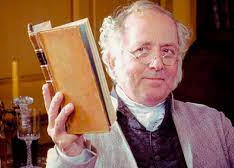
Those of us who love Jane Austen and the characters she created have mixed feelings about Mr. Bennet. Without a doubt, his sarcasm and laugh out loud one liners make him one of literature’s most memorable dads. But what kind of father is he really? Is he a lazy, sarcastic absentee parent whose lack of discipline nearly causes family ruin? Or is he-as I have started to think lately- a laid-back, witty patriarch who lets his daughters grow into strong, independent women? Let’s dive into the great Mr. Bennet debate—grab your bonnet and your sense of humor!
The Case for Mr. Bennet as a Good Father

First, let’s give credit where credit’s due. Mr. Bennet is no ordinary 19th-century father who demands obedience from his wife and daughters. Instead, he’s like that dad who says, “You do you,” and actually means it. Mr. Bennet trusts his daughters to think for themselves and to make their own choices. For example, when Elizabeth refuses the practical yet appalling proposal of Mr. Collins, Mr. Bennet doesn’t force her hand or insist she settle for security. Instead, he respects her decision—at least verbally—and even makes a cheeky remark about Mrs. Bennet’s despair.
His appreciation of Elizabeth’s intelligence and wit shows that he values substance over shallow social climbing. In Austen’s world, that is revolutionary parenting. He encourages individuality rather than conformity. Also, let’s not forget his sharp humor: while it sometimes borders on ridicule, his jokes often defuse tension in a household that could easily have devolved into nonstop melodrama. Thank you, Mr. Bennet, for your close acquaintance with Mrs. Bennet’s nerves!
Plus, Mr. Bennet’s love for his family runs deep, even if he’s not the most hands-on type. When Lydia elopes with Wickham, it’s Mr. Bennet who takes responsibility, heads to London, and works tirelessly to fix the mess—despite having little money and much less control. Yes, it’s a mess partly of his own making. But it still shows commitment, folks.
The Case for Mr. Bennet as a Bad Father

And yet- before you start drafting a fan letter to Mr. Bennet, consider the flip side. His “let them be free” approach looks a lot like neglect. He spends so much time in his library, seemingly detached and indifferent, that it feels like he’s outsourced most parenting duties to Mrs. Bennet, who, let’s face it, is not exactly the poster mom for calm and reason.
His failure to keep a lid on Lydia’s wild behavior is irresponsible. When Elizabeth warns him about letting Lydia go to Brighton—a trip ripe for disaster—Mr. Bennet brushes off the concern with a joke about Lydia being too foolish to get into trouble. Spoiler: Lydia gets into trouble anyway, and it nearly destroys the Bennet family’s reputation. That’s some classic “Dad, you should have listened,” territory.
Mr. Bennet’s sarcasm, while amusing, often comes at the expense of his daughters’ feelings. His teasing of Mary, who is already awkward and lonely, lacks compassion. He seems content to observe his family’s follies rather than actively guiding or correcting them. And when it comes to finances, Mr. Bennet’s laissez-faire attitude means his daughters’ futures depend heavily on catching the right husband, rather than careful planning or saving.
A Parenting Style Ahead of Its Time—or Just Lazy?
So is Mr. Bennet the cool, modern dad who trusts his kids to find their way, or is he the absentee parent who enjoys sarcasm more than responsibility? His good points are real: he values intelligence, respects his daughters’ choices, and ultimately acts when it counts. But his blind spots are equally glaring: neglect, poor judgment, and a tendency to hide behind humor instead of facing family issues head-on. Also, don’t forget the sarcasm.
In some ways, Mr. Bennet’s parenting is a reflection of the time. Regency fathers often saw their role as provider and overseer rather than hands-on caregiver. Still, Austen doesn’t let him off the hook. The consequences of his inaction are plain to see, reminding us that wit and charm don’t replace duty.
The most important question: how did Jane Austen want us to view Mr. Bennet?
Is he the witty, wise father who knew how to balance freedom and guidance? Or is he the lazy dad who left his daughters to their own devices a little too much? Maybe he’s a bit of both—a flawed man who loved his family but wasn’t always the hero they needed.
In my opinion, Jane Austen leaves us with a father who’s human—full of contradictions, humor, and mistakes. And that might be the most realistic portrayal of parenting you can get.
So, dear reader, which side do you take? Is Mr. Bennet a good dad, a bad dad, or simply a dad doing his best in a complicated world? What do you think? Give your (decided) opinion below, and be prepared to defend your answer!


Leave a Reply