

As I continue writing Muslin and Mystery, my cozy mystery/romance on a sailing packet ship of the early 1800s, I’ve been looking into all things nautical. Of course, I must watch Master & Commander with my husband–he wouldn’t pass up a chance for that!–but that was a ship of the line, of the Royal Navy. What dangers were at sea for a regular packet ship just taking the mail packets, cargo, and a few passengers?
Packet Ship Dangers
Weather was always a threat. A winter crossing to North America might involve gales, hurricanes, or even ice. Calms when you expected helpful trade winds was also a problem, particularly if water was low. There were no accurate forecasts, no steam engines (not quite yet, anyway), and limited navigation tools—just sextants, chronometers, and barometers.
A falling barometer was an indication of a coming squall (or worse), but there was little to be done except “hove to, under close reefed main top-sail,” so that you wouldn’t be blown about too badly. I also found a reference to a captain calling for the “storm spencer” to prepare the ship, but I have not quite got to the bottom of yet. A spencer for a lady was a nicely cut, high-waisted jacket that perfectly aligned with her dress’s bodice. I will let you know if I can figure out what a storm spencer for a ship entailed!
Then there were pirates and warships. During the Napoleonic Wars (1803–1815), packet ships had to avoid French vessels in the Atlantic. Some were captured and their mail burned or stolen. Others managed dramatic escapes, because some packet captains made sure they had some canon or swivel guns.
There was also illness. Long crossings meant cramped quarters, little fresh water, and high odds of catching something unpleasant before making port.

Famous Ships and Notable Captains
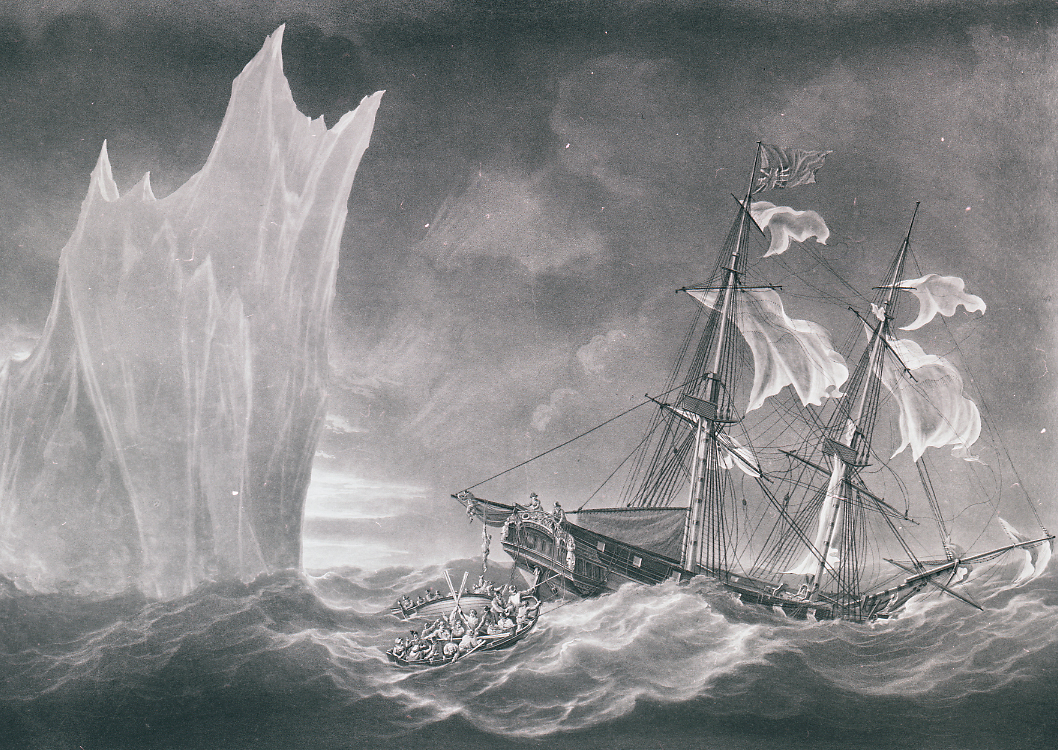
- The Lady Hobart – A packet ship that first fought a French schooner and won, taking their crew captive, but then struck an iceberg near Newfoundland. The crew and passengers survived by rowing hundreds of miles in two open boats for seven days. The boats were overloaded with passengers, and they only had biscuits, a little water, and rum. It was a grueling ordeal, and many would later lose fingers and toes to frostbite. There were three women, including the captain’s wife, who also survived. The captured French captain, who was in delirium and possibly drinking sea water, jumped in the ocean and drowned, but he was the only one lost. The captain was commended for keeping up morale despite horrible conditions.
- The Windsor Castle – One of the faster packet ships on the Falmouth–Jamaica route, famously known for taking a French privateer. Incredibly, with only 28 men and boys in the crew, Captain William Rogers took a much larger French privateer with more guns, and over 90 crewmembers. It was a shocking battle, in which the ships got locked together with grappling hooks, but the French couldn’t manage to board the small packet ship because of the fierce British resistance. Instead, Captain Rogers, with five men, jumped onto their ship and managed to get the crew to retreat below deck. When they had control, they brought the Frenchmen up one at a time to put them in chains. Captain Rogers brought the ship back as a prize to wild acclaim.

Captains of packet ships had to be tough, diplomatic, and also extremely punctual. They operated somewhere between naval command and stagecoach driver. Many had letters of marque, allowing them to defend their vessels if attacked. During the Napoleonic Wars, this was a real concern for everyone—packet ships were often harassed or boarded by privateers. They were under orders to tie irons to the mail bags and sink them if they were going to be caught, rather than let the French get the post.
They were lightly armed (usually 4 to 12 guns), and while not built for battle, they could obviously defend themselves in a pinch.

In Austen’s Orbit
Though Jane Austen never wrote a full scene set aboard a packet ship, sea travel looms large in her world. Her brothers Frank and Charles both spent years at sea, and Charles, in particular, commanded several ships of the Royal Navy.
In Persuasion, naval officers return from voyages to the East Indies or the Mediterranean. In Mansfield Park, Fanny’s sailor brother goes to sea, reappearing occasionally via letter or furlough. Behind all of this is a hidden network of ships and routes, bringing news, people, and tea to the English coast.
Thanks for reading about the thrilling packet ship life! More next time from the personal journal of Augusta Hendee, a woman who gave birth on a ship on her way to Bombay!
Keep reading,
Corrie Garrett


Leave a Reply