
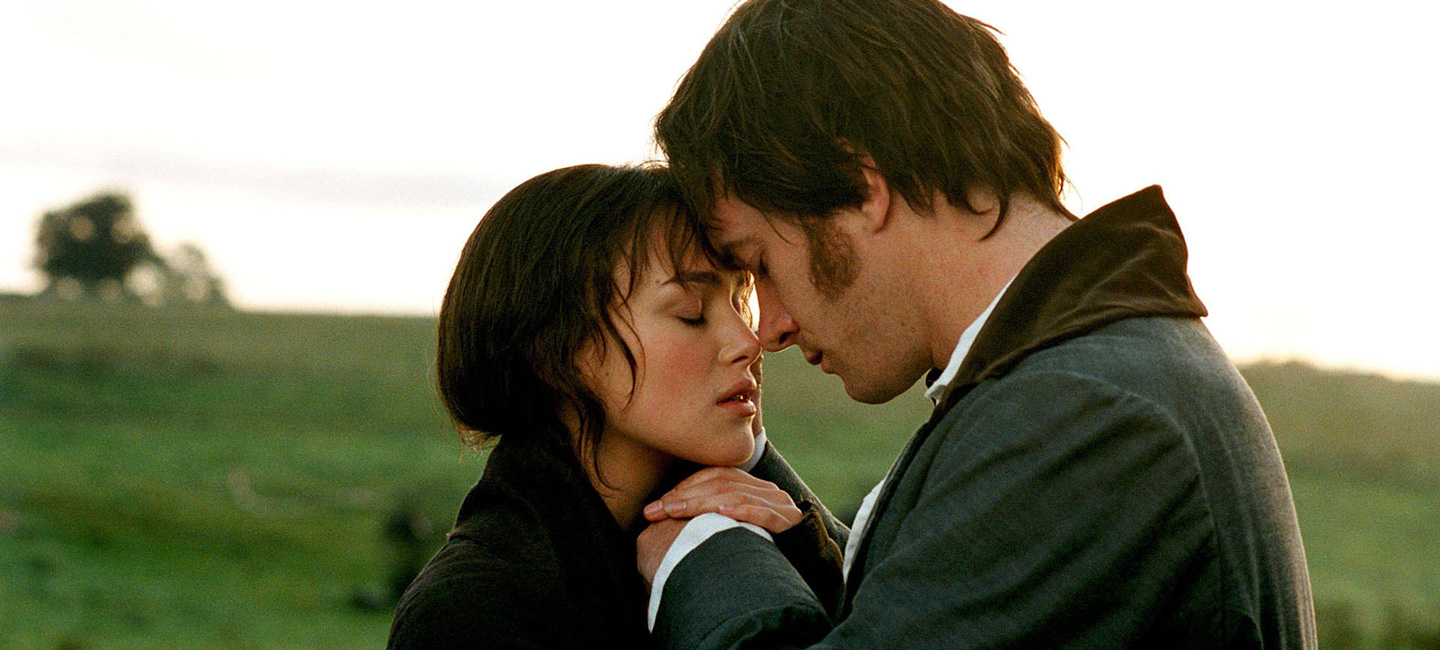
Last month, we took a peek at Austen’s brief dalliance with Tom Lefroy (find that post here) but decided that it was just passing young love with no serious expectations. This month, we’ll look at a mysterious vacation romance that may have been something deeper.
Jane’s niece Caroline Austen (1805–1880) and nephew James Edward Austen-Leigh (1798–1874) both believe the most significant romance Austen had was during a seaside holiday between 1801 and 1804. Caroline Austen notes that, while living in Bath, the Austens traveled to Devon for the summer, where Jane met a “charming man.” Caroline Austen writes, “I never heard Aunt Cass. [Jane’s sister] speak of anyone else with such admiration – she had no doubt that a mutual attachment was in progress between him and her sister. They parted – but he made it plain that he should seek them out again – & shortly afterwards he died! – My Aunt told me this in the late years of her own life.”
James Edward Austen-Leigh corroborates this, noting that, “if Jane ever loved, it was this unnamed gentleman.”

Wikimedia Commons
Who was this man? No one knows, but Jane’s niece, Catherine Hubback (1818–1877), thinks Dr. Samuel Blackall was the man: “If ever she [Austen] was in love it was with Dr. Blackall (I think that was the name) whom they met at some watering place…There is no doubt she admired him extremely, and perhaps regretted parting.” Author Dr. Andrew Norman’s Jane Austen: An Unrequited Love (2009) also argues that Blackall is the seaside suitor.
So who was Dr. Samuel Blackall? He was a theology student and fellow at Cambridge. Jane met him in 1798 (a bit earlier than the speculated years above) when he was staying with the Lefroys, his family friends. Does the name Lefroy sound familiar? Yes, it is the same family of Tom Lefroy, the man with whom Austen had her three week flirtation. Jane remained friends with his parents and frequently visited them.
Dr. Blackall was considering leaving Cambridge to settle down at a parish, and Mrs. Lefroy was perhaps doing a bit of matchmaking for Jane. Jane, however, had this to say about Blackall: “There seems no likelihood of his coming into Hampshire this Christmas, and it is therefore most probable that our indifference will soon be mutual, unless his regard, which appeared to spring from knowing nothing of me at first, is best supported by never seeing me.”
Yikes. These don’t sound like the raptures of a woman in love. Plus, he didn’t die. He actually went on to marry someone else. And Austen didn’t meet him on a seaside holiday .
Catherine and Dr. Andrew, I don’t think we have the right guy. But if it wasn’t Blackall, who was it?

Austen’s nieces and nephews don’t seem to know, and Cassandra didn’t mention him until her later years. It’s a family mystery, and Austen’s time with him was short. Does this mean that, like Tom Lefroy, it was merely a flirtation? Cassandra seems certain this was something more—an adult love that would have led to commitment. Fanny Caroline Lefroy (1820-1885), Austen’s great-niece, says, “I think the attachment must have been very deep. Aunt Cassandra herself had so warm a regard for him that some years after her sister’s death and when she herself was an elderly woman, she took a good deal of trouble to find out and see again his brother.” (In case you were wondering, yes! Fanny Caroline Lefroy is related to Tom Lefroy! Fanny’s mother married his cousin.)
Caroline Austen agrees: “I am sure she [Cassandra] thought him worthy of her sister from the way she recalled his memory and also that she did not doubt either that he would have been a successful suitor.”
If we are looking for Austen’s one great love, I think we’ve found him. Except that, you know, we haven’t actually found him.
How enduring was this love? It’s hard to say. It was short-lived, so her nieces and nephews seem to think she recovered from it. She might have married him if he’d lived, but she also moved on. Still, I’m intrigued by this idea that, yes, Jane was in love with someone, enough to marry him. She would have been Jane Mystery Seaside Guy. (Maybe he would have taken her name. Much shorter.)

Wikimedia Commons
The years in Bath were also the years when Austen did not write, although she may have edited previous novels. Is this because she was heartbroken over her deceased love? Maybe. But Austen was also uncomfortable during her Bath years. Family lore says she fainted when she first heard of the move. (For more on Regency fainting, see Did Regency Women Really Swoon?) Once in Bath, her family relocated several times to find cheaper housing, so perhaps her writing desk was packed away for stretches. Bath also offered more social calls, assemblies, and balls than country living. Was it the distractions of Bath and stress of constant moving that stilled her quill, or was it heartbreak and loss? Hard to know, but the overlap is noteworthy.
Also worth mentioning: Sanditon, Austen’s unfinished last work, was to be a seaside romance.
To think I’d planned to wrap this up in one post! Next month is the end of the trilogy: a look at Austen’s marriage proposal and why she refused.
What do you think? Was this mystery man Jane’s Mr. Darcy? And if so, are you happy to know she did find love after all, or do you feel more powerfully the tragedy of his death?
Here are the other two posts in this series: Was Jane Ever in Love? (Part 1: Tom Lefroy) and Was Jane Ever in Love (Part 3: The Marriage Proposal).
The following are a couple of sites I used to write this post: “Nameless and Dateless”: Jane Austen’s Unknown Suitor and Jane Austen’s Love Mystery.
And s’more reading if you’d like:
The Sea Cure: Were Those Regency Doctors onto Something?
Jane to a Tea: A Few Facts About Jane and Tea


Leave a Reply