
***This post is in memory of my grandfather, a watchmaker whose house was delightfully filled with clocks in various stages of testing and repair. Their continuous, steady ticking created a soothing atmosphere that turned to temporary bedlam every hour, on the hour. Then we would enjoy another peaceful fifty nine minutes before it happened all over again. Happy memories indeed!***
Regency England! A time of grand balls, sartorial elegance, and, of course, the eternal struggle to figure out what time it is. These days, we have smartphones buzzing every five minutes (or more!) to keep us on schedule, and digital clocks are everywhere. Who even needs a watch any more? But in the early 19th century, timekeeping was a far more charming affair. Let’s explore how the ladies and gentlemen of the regency era managed to keep track of time in their daily lives.
Clocks: The Grandmasters of Timekeeping
If you were upper class or had any amount of money at all, chances are your household had a clock. Not a discreet little thing tucked away on a shelf, but a towering, elaborately decorated longcase clock, aka a grandfather clock. These clocks were both a functional tool and a status symbol, standing proudly in the hallway to declare, “This family not only knows what time it is, they also have the money to care about such things.”

Of course, the accuracy of these clocks was a tad questionable. They required regular winding and occasional adjustment, as the mechanisms had an unfortunate tendency to lose or gain time. If you (or a careless housekeeper) forgot to wind it, the clock would unceremoniously stop without warning, so cleaning and winding the clock had to be the daily chore of someone in the household.
For public spaces, there were church clocks and town hall clocks, which chimed dutifully to mark the hour. Since these clocks were not always synchronized with one another, the time in one village might be a few minutes ahead or behind the time in the next. But this imprecision was built into the day. Being a few minutes early or late to a particular event was understandable and expected.
Pocket Watches: The Dashing Accessory
For those on the go—and concerned with style–the pocket watch was the timepiece of choice. These elegant devices were small enough to fit in a waistcoat pocket and often came with a fob or chain for added flair. A gentleman without a pocket watch was simply not to be endured!
Pocket watches were not exclusive to men, either. Ladies might carry a daintier version tucked into a reticule or fastened to an article of clothing, or they might even wear a wristwatch. Of course, the wealthier the lady, the more elaborate and bejeweled the watch.
These watches weren’t much more reliable than the household clocks. They were prone to running fast or slow, and the constant jostling from carriage rides and lively country dances didn’t help matters. But a pocket watch was an important status symbol, and a fine example of form being more important than function.

Sundials: The Ultimate Back-Up Plan
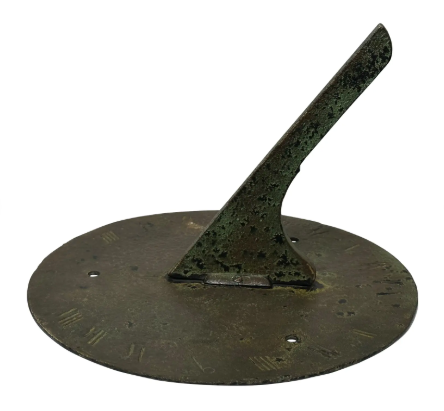
More than one JAFF has a scene where Darcy consults the sundial in his garden, and there’s a good reason for that. Sundials were a common feature in the gardens and grounds of upper class homes, offering a picturesque (if somewhat impractical) way to tell the time. The problem, of course, was that they required sunshine, which was not always guaranteed. On cloudy days, one simply had to guess—or just blame tardiness on the weather, a perfectly acceptable excuse.
Timekeeping for the Masses
What about the working people, you ask? Did the humble farmer or bustling shopkeeper have any notion of time beyond “sun up” and “sun down”? Of course! For many, natural markers like the position of the sun or the sounding of the church bell were sufficient. Again, precise timekeeping wasn’t really necessary. If you were a laborer, your boss might ring a bell or blow a horn to signal the start and end of the workday. Simple and effective.
The Accuracy Question
In a time before electricity and electronics, how accurate were these timepieces? In short: not very. Clocks and watches of the era could lose several minutes a day, and advances in precision didn’t arrive for many decades. But regency folk didn’t fret too much about this. Being blissfully unconcerned with time just showed off your importance in the world!
The Joy of Being Fashionably Late
In some ways the imprecision of regency timekeeping was a blessing. It allowed a certain flexibility—the chance to linger over tea, take a longer stroll, or engage in an impromptu flirtation without fretting about the ticking clock. If anyone dared to question your punctuality, you could always point to your unreliable pocket watch and shrug. In an age of duels and romance, who had time for precision?
So, the next time you turn off your hyper-accurate cellphone alarm or tap on your smartwatch, spare a thought for Darcy squinting at his sundial or Elizabeth forgetting to wind her wristwatch. Time may march on, but at least they knew how to make keeping time look positively elegant.
For a really in depth look at the history of British watches and clocks, click here.
Quick: without looking it up, how many references to clocks and watches can you remember in Jane Austen novels?


Leave a Reply to elaineowenauthor207097889Cancel reply