
When it comes to Regency romances, we love instant chemistry, passionate declarations, and dramatic obstacles overcome. Yet, some of the more realistic love stories involve quiet, steady partnerships built on respect and liking rather than overwhelming passion.
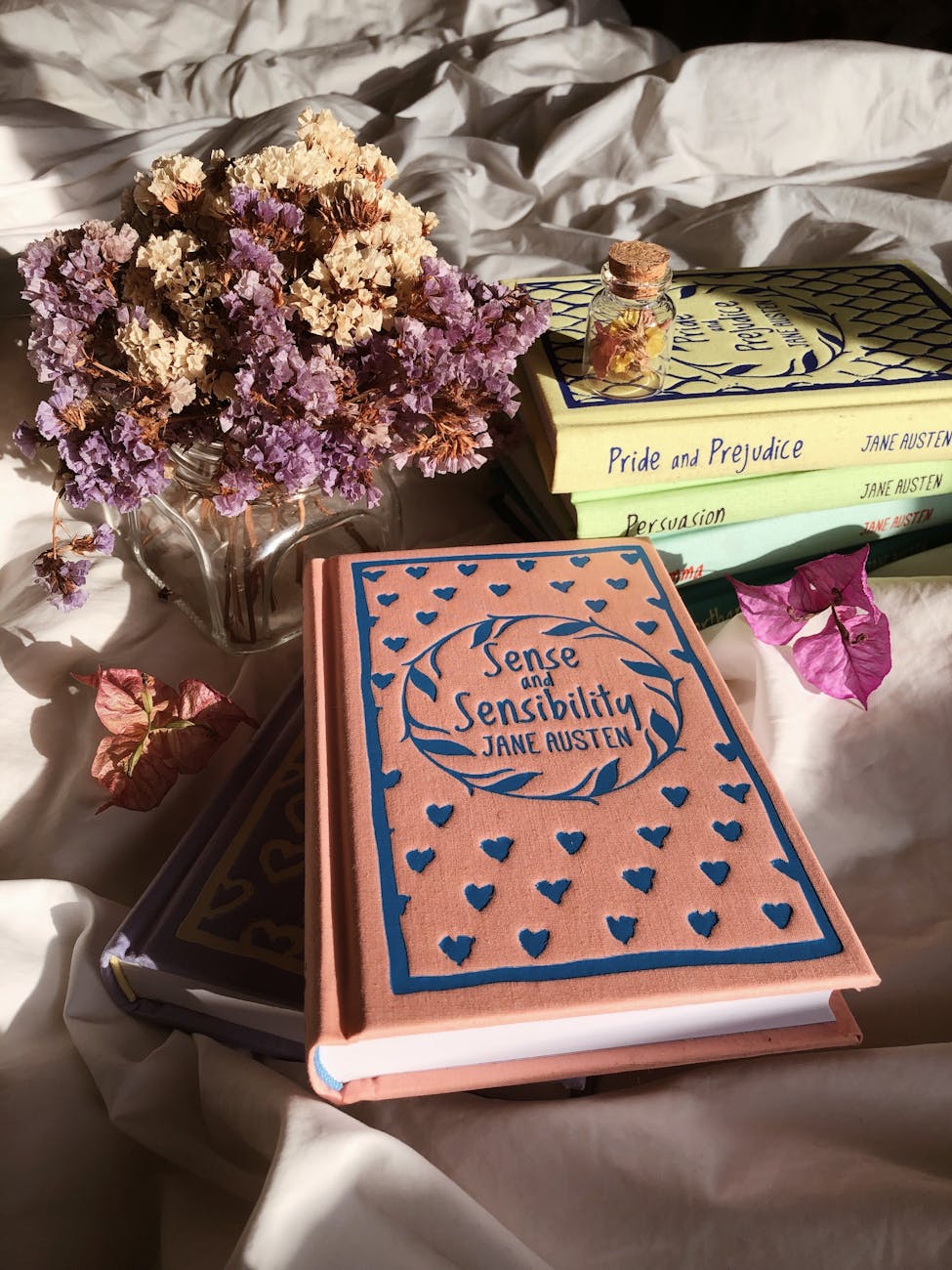
In Austen’s Sense & Sensibility, we get this with Colonel Brandon and Marianne Dashwood. I used to be really unmoved by their relationship, both in book and movie form. As I’ve gotten older, I like it so much more, although I still feel it requires a little reading between the lines.

I just read Arabella by Georgette Heyer, and I was trying to think if Heyer ever did a romance like M+C.B. (and if you think of any, please tell me!), but I couldn’t come up with many. She tended not to have tragic pasts for her heroes, or if they did, as in Black Sheep where Miles’s first love was forced to marry a cold, uncaring man and then died, they are very Over ItTM and have since turned to sarcasm, indulgence, and flirtation to cope, making them unrecognizable as Colonel Brandon-types.

Now, what did occur to me—once I started thinking about Willoughby—was one of Georgette’s more unusual romances, A Civil Contract. If we flip the genders, we’ve got some real comparisons to make!
Adam Deveril is our romantic and impulsive Marianne. Impulsive: He literally gambles his whole fortune on a single battle! Romantic: He is in love with Julia Oversley, a beautiful, intelligent, and high-strung young woman whom he completely worships.
When his life falls apart, he ends up instead with Jenny Chawleigh, the pragmatic, somewhat plain, daughter of a merchant. (I like Jenny a lot, although she is far from the wish fulfillment of Heyer’s other heroines.) What makes these relationships so great is the contrast between “what we think we want” and “what we actually need.” Both Marianne and Adam start out yearning for (and finding!) love that’s beautiful, thrilling, and romantic—embodied by Willoughby and Julia Oversley—but they find lasting happiness in far less dramatic, but far more fulfilling partnerships.
Colonel Brandon & Marianne Dashwood
Marianne is a dreamer. She’s passionate, poetic, and proudly ruled by romantic ideals. Enter Willoughby: handsome, charming, and seemingly perfect. Willoughby represents everything Marianne wants—adventure, excitement, and a soulmate who understands her passionate nature. But as we know, appearances deceive and Willoughby proves to be selfish and unreliable, leaving Marianne heartbroken and disillusioned. Colonel Brandon, on the other hand, is everything Willoughby isn’t: older, steady, deeply honorable.
While Willoughby’s love burns bright and brilliant (and arguably never dies, although he chooses another), Brandon’s affection for Marianne is deep and self-sacrificing. He is all about patience, care, and stability, qualities that provide Marianne with the emotional security she doesn’t even realize she needs.

Adam Deveril & Jenny Chawleigh
Adam faces a situation that forces him to put aside his romantic ideals altogether, including Julia. (He even has some health problems and a “delicate constitution,” partially echoing Marianne’s health collapse.) Enter Jenny Chawleigh. She’s practical, plain, and undemonstrative, but she soon comes to love Adam deeply.
At first, Adam resents the marriage, while we see poor Jenny striving to fix up his ragged home, adjust to country life, and make sure Adam eats. (Shades of Colonel Brandon there, although Jenny doesn’t have his authority or good-breeding, just his wealth.) Like Colonel Brandon, Jenny’s love isn’t flashy or swoon-worthy—it’s steady, dependable, and deeply generous. Eventually, Adam comes to appreciate Jenny’s quiet strength, her unselfishness, and her no-drama approach to life. They develop inside jokes about their families, navigate the societal gulf between them, and even have a son while they begin to love and respect one another.

Willoughby & Julia Oversley: The Alluring Wrong Choices
Now, let’s talk about Willoughby and Julia Oversley—the “wrong” choices, despite their charm and beauty. Willoughby is the classic Austen romantic anti-hero: handsome, witty, and seemingly perfect for Marianne, but underneath his charm is selfishness and a lack of integrity. His actions—abandoning Marianne and seducing another young woman—prove how much he doesn’t deserve her. Julia Oversley, while not as morally bankrupt as Willoughby, is just as ill-suited to Adam. Her love for Adam seems genuine, but it’s romantic in the same way Marianne’s love for Willoughby is—rooted in idealism rather than practicality. In return, Adam’s love for Julia is idyllic, almost symbolic, as she becomes the visual ideal of his former life, untouched by struggle or compromise.
Now, a lot of people don’t really like A Civil Contract—they even claim it isn’t a romance—but if you love Sense & Sensiblity, you might give it a try! I think Adam and Jenny are some of the most well-rounded, flawed, yet lovable characters that Georgette Heyer ever wrote.
Cheers!
Corrie
P.S. Like usual, I forgot to plug any of my own books in this post, so I’ll just add that if you like mature, quiet romance, check out A True Likeness. Happy holidays to all!


Leave a Reply to Corrie GarrettCancel reply