
In college, I was once called a “wise old owl” after giving dating advice to my a roommate who was two years younger than I was.
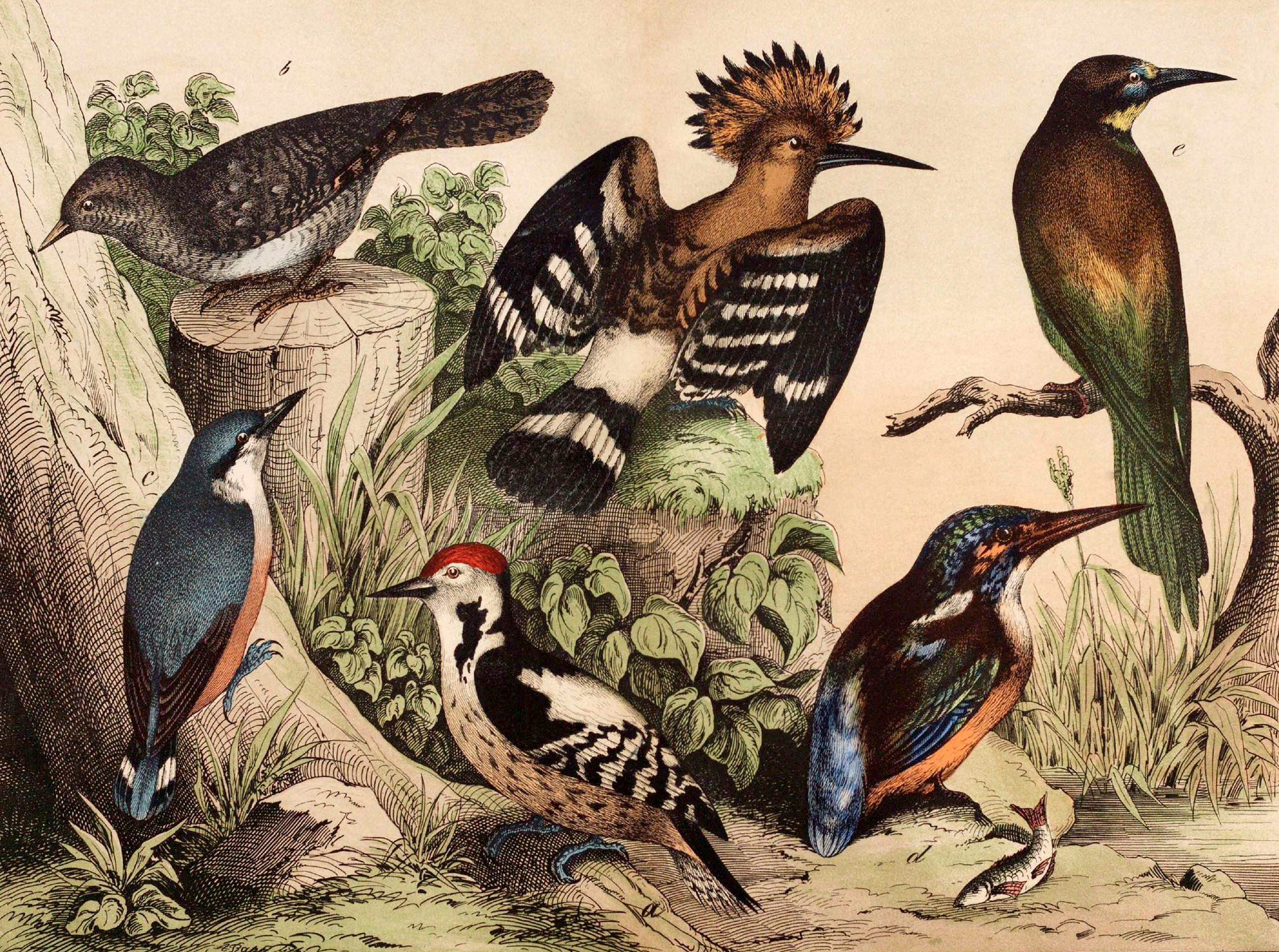
We often use animals to symbolize people based on their characteristics. Imagine a world where P&P characters take on avian forms, their traits and behaviors reflected in the fascinating world of birds.
This article delves into the Pride & Prejudice aviary, showcasing how each character would be represented by specific bird species, drawing parallels that highlight their distinctive attributes.

Elizabeth Bennet: Peregrine Falcon
Elizabeth Bennet’s sharp wit and independence resonate with the noble peregrine falcon. Just as this bird is known for its agility and keen eyesight, Elizabeth navigates social complexities with grace and perceptiveness.

Mr. Fitzwilliam Darcy: Bald Eagle
Mr. Darcy’s regal demeanor and strong sense of duty align with the majestic bald eagle. Like the eagle’s commanding presence, he exudes authority and integrity, guarding his principles and those he cares for.

Jane Bennet: Swan
Jane Bennet’s serene and kind-hearted nature mirrors the elegance and grace of a swan. Just as swans move gracefully on water, Jane brings tranquility and beauty to her surroundings.

Mr. Charles Bingley: Canary
Charles Bingley’s cheerful and amiable disposition aligns well with the friendly and sociable nature of a canary. Canaries are known for their bright and sunny personalities, much like Mr. Bingley’s affable charm. They are also known for their melodious songs, which reflect his cheerful and optimistic outlook on life.

Mr. Bennet: Owl
Mr. Bennet’s dry wit and preference for solitude find a counterpart in the wise and introspective owl. Like the owl’s penchant for observation, he offers insightful commentary on the world around him.

Mrs. Bennet: Peacock
Mrs. Bennet’s dramatic flair and desire for attention are akin to the vibrant and showy peacock. Like the peacock’s flamboyant displays, she seeks to draw attention to her daughters’ marriages.

Miss Bingley and Mrs. Hurst: Magpies
The gossipy and scheming nature of Miss Bingley and Mrs. Hurst is well-represented by magpies, known for their chattering and penchant for shiny objects. Like these birds, they engage in whispers and conniving plans.

Mr. Hurst: Lazy Cuckoo
Cuckoo birds are considered lazy birds because they lay their eggs in the nests of other birds. They’re also known as brood parasites because these animals don’t raise their own young, instead relying on other birds to do so. When their eggs hatch in other nests, the baby cuckoos push other eggs out of the nest and trick the host bird into raising them.

Sir William Lucas: Friendly Robin
The courteous and amicable Sir William Lucas might be portrayed as a friendly and sociable robin. Robins are often associated with good luck and cheerfulness, reflecting his polite and amiable character.

Lady Lucas: Social Starling
Starlings are known for their highly social and talkative behaviors. They often congregate in large flocks and engage in chattering and mimicry. This aligns well with Lady Lucas’s inclination toward gossip and her active involvement in social interactions within her community.

George Wickham: Cunning Crow
George Wickham’s charm and deceitful nature parallel the cunning and opportunistic behavior of a crow. Like the crow, he is known for his cleverness and penchant for exploiting opportunities.

Charlotte Lucas: Sensible Sparrow
Given Charlotte Lucas’s practical and down-to-earth nature, a suitable bird analogy for her could be the sparrow. Sparrows are known for their practicality and adaptability to various environments. They are unassuming birds that focus on the essentials of survival.

Maria Lucas: Cheerful Bluebird
Maria Lucas’s youthful exuberance and enthusiasm are akin to the cheerful and vibrant bluebird. Like these birds, she adds a bright and lively presence to her surroundings.

Mr. Collins: Haughty Turkey
Considering Mr. Collins’s overbearing and pompous behavior, a bird analogy that aligns with his self-importance and grandiosity could be the turkey. Turkeys are known for their large size, often displaying themselves prominently and strutting about, which can be seen as a humorous reflection of Mr. Collins’s efforts to impress and elevate himself in society.

Georgiana Darcy: Shy Dove
Georgiana Darcy’s reserved and sweet-natured character finds its counterpart in the gentle and peaceful dove. Like doves, she exudes innocence and vulnerability.

Mr. and Mrs. Gardiner: Supportive Pelicans
The caring and intelligent nature of Mr. and Mrs. Gardiner aligns with the supportive and nurturing behavior of pelicans. Like these birds, they provide guidance and assistance to those in need.

Mary Bennet: Nightingale
Mary Bennet’s studious and serious disposition resonates with the melodious and contemplative nightingale. Like the nightingale’s song, she expresses herself through her music and reflections.

Kitty and Lydia Bennet: Energetic Parrots
Kitty and Lydia’s lively and reckless behavior finds a counterpart in the energetic and colorful parrots. Like these birds, they bring excitement and chatter to their surroundings.

Aunt Phillips: Eccentric Flamingo
Aunt Phillips’s eccentric charm is akin to the flamboyant and unique nature of the flamingo. Like flamingos in their flock, she adds a touch of whimsy to her environment.

Lady Catherine de Bourgh: Regal Peahen
Lady Catherine’s domineering and imperious character aligns with the regal and assertive peahen. Like the peahen, she demands respect and reverence.

Anne de Bourgh: Delicate Finch
Anne de Bourgh’s delicate and reserved nature resonates with the timid finch. Like finches, she embodies fragility and vulnerability.

Reimagining the characters of Pride & Prejudice as birds offers a whimsical lens through which to appreciate their distinct personalities. Each bird species embodies the traits and quirks of the characters, creating a colorful aviary that adds a delightful twist to Jane Austen’s timeless tale.
Just as the diversity of birds enriches our natural world, the diversity of characters enriches the world of literature, reminding us of the enduring appeal of Pride & Prejudice across various interpretations and creative imaginings.
What do you think?


Leave a Reply to Linda A.Cancel reply