

Jane loved a good steaming cup of tea. In a letter to Cassandra, Jane wrote, “Let me know when you begin the new Tea. I am still a Cat if I see a Mouse.”
And Miss Bates in Emma gives us this little gem: “No coffee, I thank you, for me—never take coffee.—A little tea if you please.”
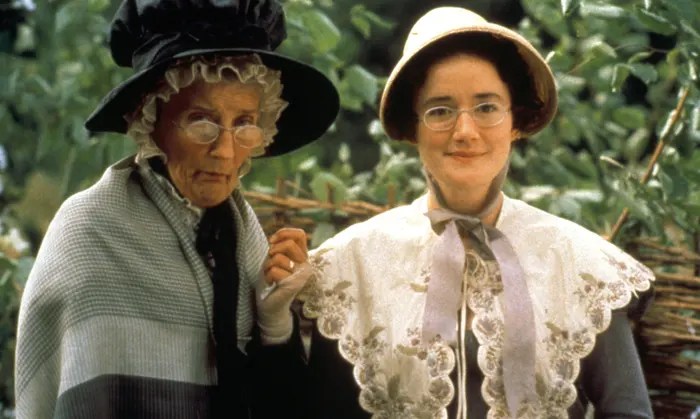
Then, when Mr. Collins tells Elizabeth that she will soon be graced with the ever coveted invitation from Lady Catherine, what is the invitation to? Tea, of course!
There’s no question about it. Jane loved her tea. (Oh, Jane. I’ve always known we’d be bosom buddies if we’d been born in the same century.) This month, in honor of Jane’s devotion to the lovely beverage, enjoy some tantalizing facts about tea.
- Jane was the tea keeper.
Jane was in charge of making her family’s breakfast every morning, including their tea. This meant that she held the keys to the locked tea cabinet. That’s right. Tea was not just left lying around. It was expensive (sometimes taxed over 100%) and prone to being stolen by servants. The high prices kept tea out of the hands of the poor, which is why…
2. Tea enjoyed a healthy black market.
Question: What do you call a tea smuggler?
Answer: A leaf thief!
(Because it rhymes, see? So that’s funny. Everyone knows the best jokes are the ones you have to explain.)
Actually, tea smugglers referred to themselves as free traders, and, if caught, traders could be hung or (gasp!) transported to the colonies. Despite this, tea smuggling flourished, becoming one of Great Britain’s major industries. In fact, in areas near the coasts, so many men were drawn to free trading that there were not enough workers for the farms.
Tea tycoon Richard Twining believed that half the tea drunk in England was smuggled. Even clergymen bought smuggled tea. (But surely not Mr. Collins? No, leaves from ill-gotten sources could never have passed his lips.)
3. Speaking of those unruly colonies, the Boston Tea Party revolutionaries threw the modern equivalent of a million dollars’ worth of tea into the harbor.

That’s a lot of tea! The revolution worked out well for me, so I can’t complain. But I would have been pretty disappointed if I’d been invited to that tea party. (“Hello, boys! Are the tea cakes below decks? Where are the pretty tea pots? Wait! I was still drinking that!”)
4. Smuggled tea tasted…off.
During transport, smuggled tea was packed in oilskin bags on boats, and then repackaged in sacks carried by horses on land. It turns out that horse sweat and oil make for rotten tea, so many believed legal tea was worth the added expense.
5. Not to be outmaneuvered, the black market found other sources of smuggled tea.
Servants scraped together their employers’ used tea leaves, aired them out, and sold them out the back door to dealers. The leaves were dyed to look new and resold.
Question: What did the tea feel when it got a second life?
Answer: Re-leaf!
(OK, but that one was practically begging me to type it.)
Fake tea was also made from tree leaves, sheep poop and (wait for it) poison. Copperas, that lovely toxin that brought us black ink and gunpowder, could now be mixed into your cuppa at a healthy surcharge.
Guess those servants got their employers back for locking up the tea.
6. Tea for breakfast was controversial.
While Catherine of Braganza, Charles II’s wife, is credited with being England’s first tea drinking queen, it was Queen Anne who popularized the custom of tea for breakfast.
What did people used to drink for breakfast, you ask? Alcohol! (It was cleaner than the water.) Beef and ale made up the breakfast of choice until Queen Anne started taking tea and toast, and the upper classes of course had to follow this trend.
So which is the breakfast of champions: beef and ale or tea and toast? This became a decades long debate. In fact, Washington Irving, in his Sketchbook (1819), describes a gentleman he met in England who condemned the tea and toast breakfast as the cause “of modern effeminacy and weak nerves and the decline of old English heartiness.”

So, keep calm and carry on. But if you have tea and toast for breakfast, you’re weak and contributing to the decline of all of England.
Question: What were tea drinkers’ biggest worries?
Answer: The ales of British life
(Okay, okay. That’s the last one.)
7. Jane did not take cream in her tea.
In a letter to Cassandra, Jane writes about a mutual friend, saying, “There are two Traits in her Character which are pleasing; namely, she admires Camilla, & drinks no cream in her Tea.”
I don’t take cream in my tea either, Jane! I’ll go ahead and assume that means you think my character is pleasing.
I do have tea for breakfast, though. Sorry, England.
What about you? Tea or coffee? Or beef and ale? Cream and sugar with your coffee/ tea/ ale? (I take my tea BLACK because I am serious about staining my teeth.)
Or you could share a tea joke! No, you’re right. I set the bar pretty high with that one. Best to stick to telling me your beverage of choice.
I got most of my info from this lovely source: Wilson, Kim. Tea with Jane Austen. Frances Lincoln, 2011.


Leave a Reply to LoisCancel reply