
Category: aristocracy & titles
-

“Lyon in Disguise: The Lyon’s Den Connected World” from Dragonblade Publishing, Releasing December 17 from Regina Jeffers
Lyon in Disguise: Lyon’s Den Connected World A handsome rake meets his match in a red-headed enchantress who is his enemy! They may be on different sides of the law, but Lord Navan Beaufort is not going to permit that to stop him from protecting Miss Audrey Moreau. Navan has never thought truly to love…
-
Thaddeus Ever Valiant
There’s always the hope that there might remain a brilliant female writer from the 1700s or early 1800s who has been lost to obscurity. That’s why, over the years, I go back once in a while to read someone new to me. One of these is Jane Porter, who along with her sister Maria became…
-

The Woman Who Left England-and Convention-Far Behind
What if Elizabeth Bennet had never married Mr. Darcy? What if, instead, she packed a few essentials, headed off to the Middle East, donned turbans and pantaloons, read ancient prophecies, and hosted Bedouin chieftains in a mountaintop fortress? Of course our favorite fictional heroine never did that. But Lady Hester Stanhope, a real life contemporary…
-
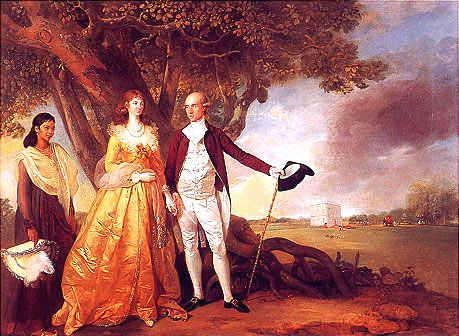
The Real Mary Crawford, a Guest Post from Ann Hawthorne
Eliza de Feullide, nee Hancock, was born in Calcutta, India, in the year 1761. Her mother Philadelphia had been George Austen’s older sister, and thus Jane Austen’s aunt. One can say Eliza had been raising eyebrows in polite society since her birth, because that was when the rumours of her illegitimacy started. There were people…
-

Earls in Regency England: Aristocracy and Responsibilities
Learn all about earls and what makes them different from other members of the British Peerage, especially during the Regency era.
-
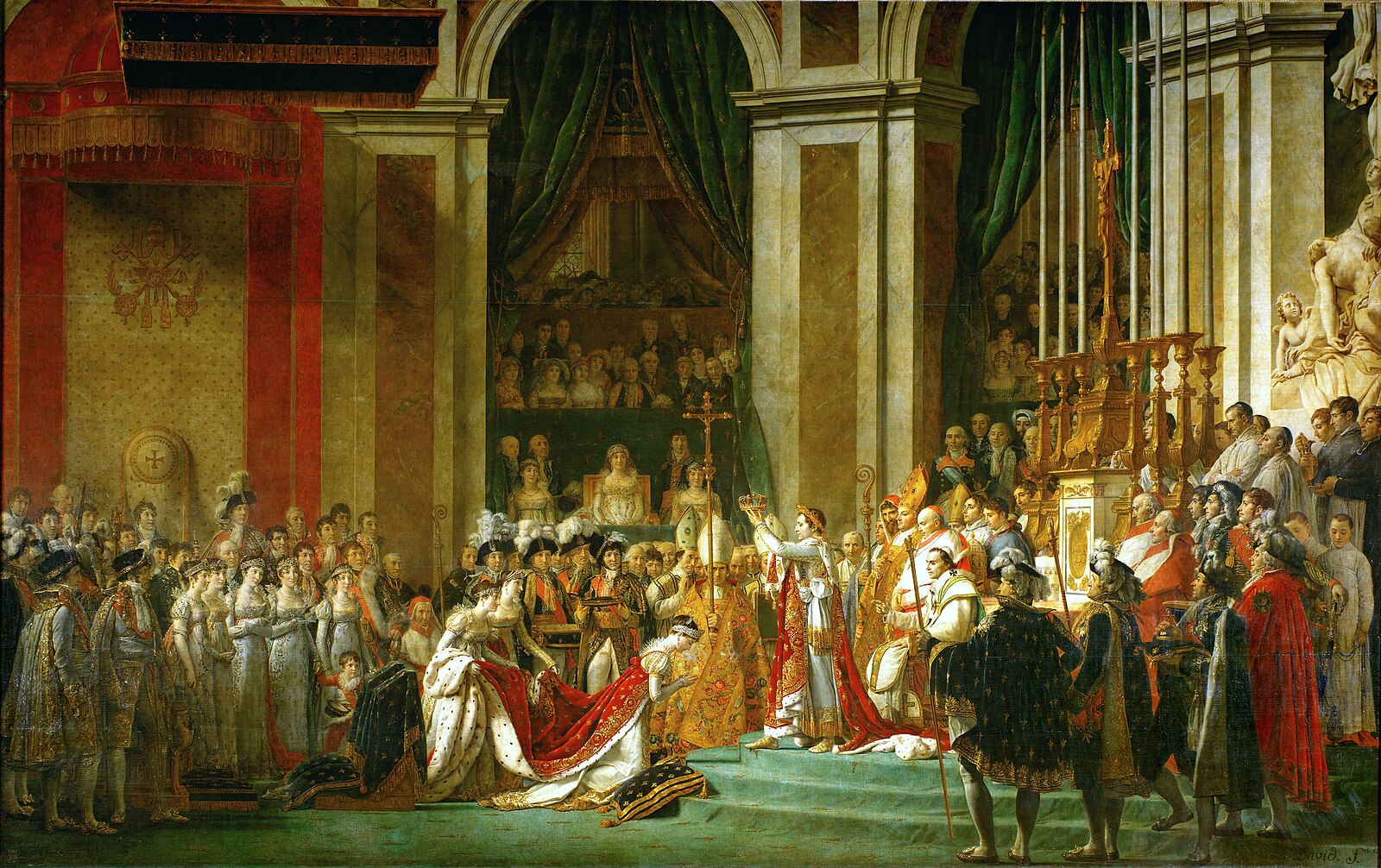
The Woman Behind the Man
Hi everyone. I was reading information the other day about Napoleon, and then got to reading about his first wife. So, I decided to share a look behind the man at the woman who helped to make him who he was. Josephine Bonaparte was born Marie Josephe Rose Tascher de La Pagerie. I thought I…
-
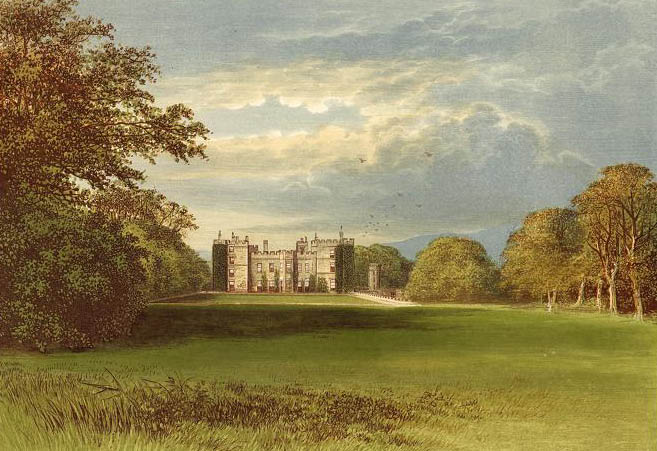
Down the Rabbit Hole!
It hardly seems possible, but the tenth anniversary of starting Second Son fast approaches: November 13, 2013. (The meet-cute scene between Darcy and a young Lizzy during the dinner at Chatsworth was the first scene I wrote.) I remember those heady days of researching anything and everything, including a deep dive into the history of…
-
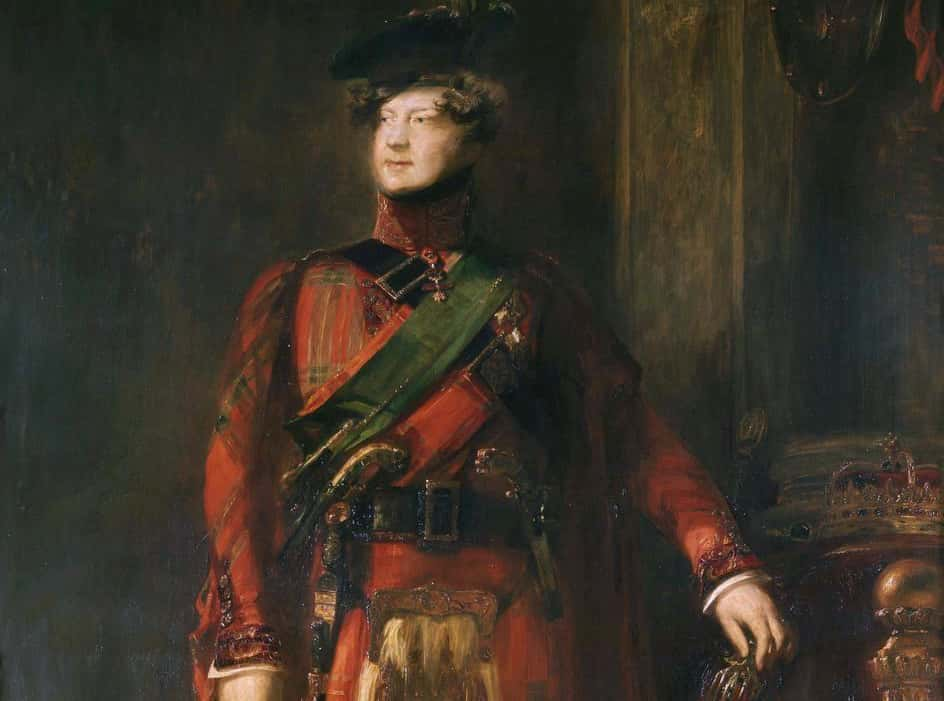
The Enlightenment, Austen, and the Regent
Historians are nothing if not epochal creatures. We divide time into epochs and apply catchy names—The Golden Age, The Dark Ages, the Renaissance, and so on. Some span centuries, some only decades. Their kinship rests in that each marks moments—long or short—when everything changed. Such is the case of that ninety-year revolution we call The…
-

Does the Picture Match the Box?
I hate puzzles. This goes back to my childhood, to those achievement tests the schools insisted you take. My bane (besides spelling) was spatial relations. Those line drawings that you had to fold into a box mentally were the downfall of my existence. Everything else was excellent. Then there were spatial relations where seventy-five percent…