
I have written several books of late that feature my characters traveling to Ireland from different points in England. One of the more recent ones was my Taming Lord Truist, the second book of the Strong Women Duo that accompanied Loving Lord Lindmore. In Taming Lord Truist, I had my main characters come into Ireland along the eastern coastline and then move inland by wagon and horseback.

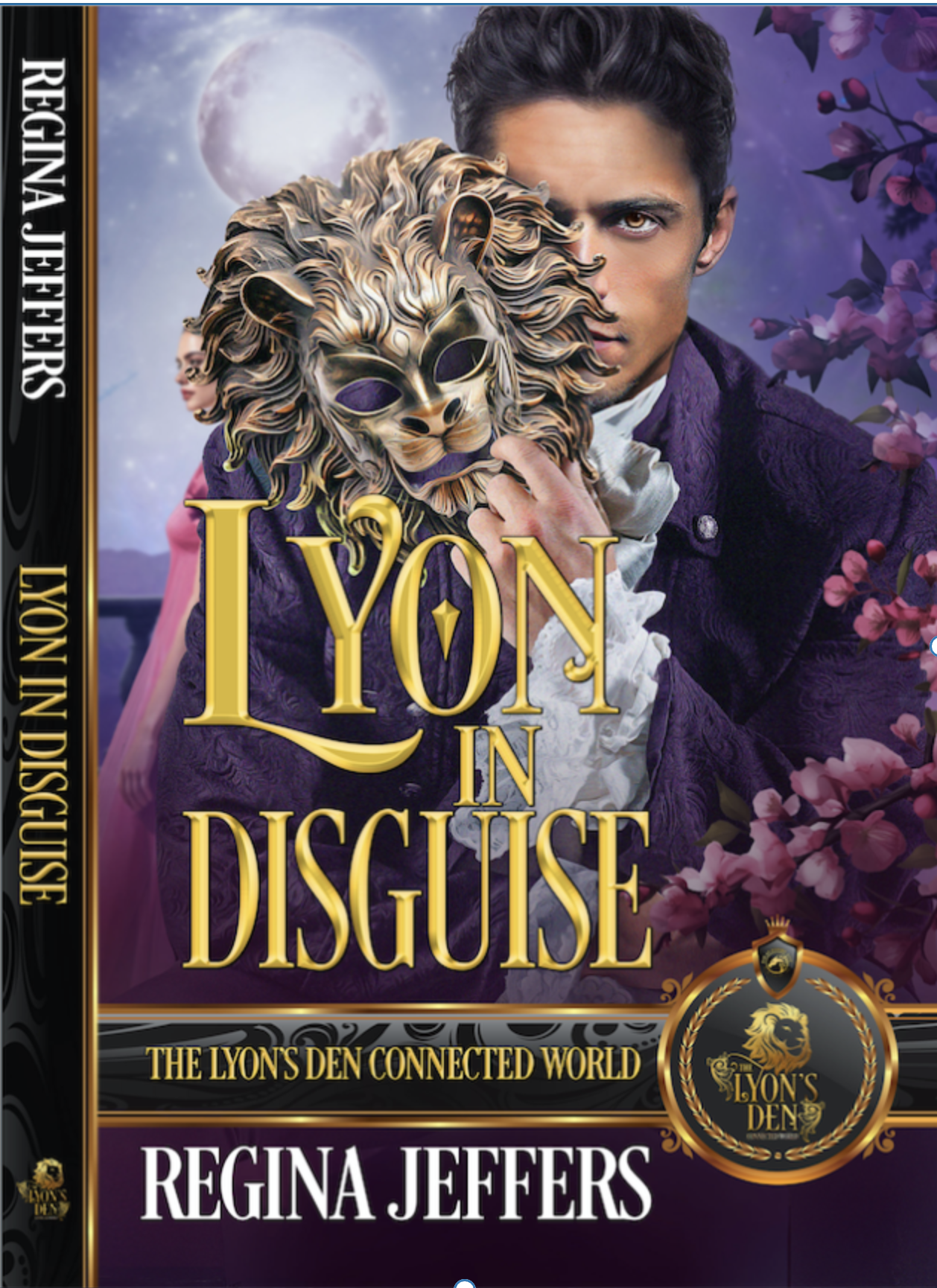
For Book 3 of my new romantic suspense/mystery series from Dragonblade Publishing, Lyon in Disguise: The Lyon’s Den Connected World, my characters travel north first to Scotland so they may marry and then on to Ireland and the Kenmare area of County Kerry. That meant they came into Cork City, which was a whole other problem to face, but my hero was from County Cork, so it made sense in a senseless situation.

One must understand that in 1812, the time in which my story is set, travelers would be at the will of the wind, for steam travel did not occur until the 1830s. The Rambles, Sketches, Tours website tells us, “Before the advent of steam engines, getting to your destination was an adventure in itself. These days, 24 hours’ worth of travel can take you to the other side of the world. In the eighteenth century, before steamships and railways, the “short” journey from London to Dublin could take more than a week. First you had to make your way to a port town, usually by coach or on horseback. There were four main ports from which to make the crossing: Port Patrick (Scotland) to Donaghadee (County Down), Bristol to Cork, and Liverpool (England) or Holyhead (Wales) to Dublin. The crossing itself was entirely dependent on the tides and the weather: some travellers wrote about ships that battled 27- or 40-hour storms – and after battling the elements for so long, some ships were forced to turn back, even if they were already in sight of Ireland’s shores. Besides fierce headwinds, some ships had to contend with the lack of wind, sitting becalmed upon the sea with no means of moving until the wind returned. In addition to the elements (or lack thereof), ships that took the southern-most route between Bristol and Cork also risked encounters with Spanish and French privateers. The introduction of steam power in 1819 took much of the uncertainty and discomfort out of the sea crossing, with the result that most trips could be made in 24 hours or less – from Holyhead to Dublin took only six hours by steamship.”

Meanwhile, Early Tourists from Wales tells us, “Boats from Bristol could call at many ports and creeks along the south coast (the main ones being Newport, Cardiff, Swansea, Carmarthen, Tenby, Milford Haven), and those from Liverpool called at ports along the north coast, especially those on either side of the Menai Straits (Beaumaris, Bangor and Caernarfon). Although boats called at ports along the west Coast (Fishguard, Cardigan, Aberaeron, Aberystwyth, Borth, Barmouth, Port Madog), the treacherous waters around St David’s Head and Anglesey, made trips from these locations to ports along the south and north Wales coasts much more dangerous.”
Other Sources:
Bush, John. Hibernia Curiosa. A Letter from a Gentleman in Dublin, to His Friend at Dover in Kent. Giving a General View of the Manners, Customs, Dispositions, &c. of the Inhabitants of Ireland. With Occasional Observations on the State of Trade and Agriculture in that Kingdom … Collected in a Tour through the Kingdom in the Year 1764 … London: Printed for W. Flexney, [1769]. [Internet Archive]
Finerty, John F. Ireland in Pictures: A Grand Collection of Over 400 Magnificent Photographs of the Beauties of the Green Isle: Comprising Views of the Most Famous Buildings, Historical Places, Romantic Scenery, Venerable Ruins, Rich Art Treasures, etc., etc. Chicago: J. S. Hyland, 1898. [Digital Library]
***************************
Lyon in Disguise: Lyon’s Den Connected World
A handsome rake meets his match in a red-headed enchantress who is his enemy!
They may be on different sides of the law, but Lord Navan Beaufort is not going to permit that to stop him from protecting Miss Audrey Moreau. Navan has never thought truly to love anyone, but when he laid eyes on the red-headed beauty, his world shifted. Unfortunately, the lady appears to prefer Lord Alexander Dutton to him, though Navan has rarely had the opportunity to speak to her privately. That is, until he saves her from a fire one miraculous night. From there forward, she is his hope. His future.
Miss Audrey Moreau depends exclusively on her Uncle Jacobi for a home and protection. The man rescued her from a bayman’s plantation in the West Indies when she was five; yet, she well knows the “Marquis of Honfleur’s” schemes. She thought once Jacobi was caught, all would be well, but even from his jail, the man means to rain down harm upon her.
Can two lost souls find happiness together, when everyone in whom they had previously placed their trust have left them alone in the world?
Tropes You’ll Love:
- Enemies to lovers
- Self-declared bachelor
- Friends to lovers
- Adversaries
- Damsel in distress
- Best friend’s sister
- Different worlds/experiences
- Soul mates
- Emotional scars
- Fish out of water
Read in Kindle Unlimited!
Enjoy book one in a new series within The Lyon’s Den Connected world by Regina Jeffers.
Book 1 – Lyon in the Way
Book 2 – Lyon’s Obsession
Book 3 – Lyon in Disguise
Book 4 – Lost in the Lyon’s Garden
Book 5 – Lyon on the Inside


Leave a Reply