
“Did people back then just drink their illnesses away?”
This question came to my mind when I started reading regency literature and ran across tinctures, elixirs and cordials. I had a vague idea that a cordial was a mild alcohol, and no idea whatsoever about tinctures and elixirs. What were these things, anyway?
It turns out that regency-era medicine had a thing for blending herbal remedies with alcohol, sugar, and questionable chemistry, resulting in tinctures, elixirs, and cordials. I’d like to break these down and give some common examples of each.
Tinctures: Medicine On A Dare
Tinctures are herbal extracts steeped in alcohol, or sometimes a water-alcohol mix. They’re a concentrated version of potent herbs with nothing sweet to make them easier to take. They were so strong that they were measured in drops and were most often prescribed by physicians or surgeons. Today you can buy tinctures from reputable sources, but please check with your doctor first. And DO NOT try making any of these yourself!
Common Tinctures
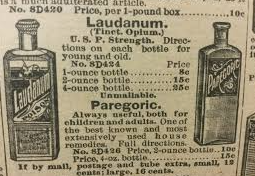
- Laudanum
- A tincture of opium mixed with alcohol. This was the go-to for severe injuries, surgeries, and other painful propositions. It also had the potential to be addictive, which doctors knew, but what choice did they have?

2. Tincture of Valerian
- Extracted from valerian root and used to calm nerves and promote sleep. Valerian root is still widely used today.
3. Tincture of Camphor
- Did you use VapoRub when you were a kid? Do you remember that smell? Now make that smell stronger, mix it with alcohol, and drink it. Yikes! Applied for respiratory ailments or fainting spells.

Elixirs: A spoonful of sugar helps the medicine go down
Elixirs contained herbs and alcohol but they also had sweeteners like sugar or honey to make them more palatable. They were still pretty potent, and some of them had hefty side effects. These days they are fairly uncommon.
Common Elixirs
- Elixir of Vitriol
- Made from diluted sulfuric acid with sugar and alcohol. I think I’d rather just be sick, thank you!
- Elixir Paregoric
- A mix of opium, camphor, and alcohol sweetened with sugar. Supposed to be good for coughs. But even if it didn’t cure you, you’d probably feel so good you wouldn’t care!
Cordials: dessert with a side of medicine
Sweet, syrupy cordials contained herbs, alcohol, and loads of sugar. They were more about tasting good than good health.
Common Cordials
- Godfrey’s Cordial
- A blend of opium, molasses, and water given to teething infants. Yes, I said infants. My, how times change!
- Elderflower Cordial
- A floral, sweet drink often served diluted with water or wine. A mild digestive aid and quite popular with the regency set.
- Cherry Brandy Cordial
- A boozy treat that doubled as a medicinal tonic for digestion. Honestly, it sounds like something we’d still drink today, with or without the dubious health claims).
The Big Differences
- Potency
- Tinctures: Maximum punch. Think espresso shot.
- Elixirs: Milder, sweeter, but still medicinal. Think hot toddy, except for being hot.
- Cordials: Barely medicinal, mostly for fun. Think hot chocolate with whipped cream plus a little something extra.
- Flavor
- Tinctures: Bitter, earthy. “I’m definitely taking medicine.”
- Elixirs: Sweet-ish. “This isn’t terrible.”
- Cordials: Delicious .“Do I even need to be sick to drink this?”
- Purpose
- Tinctures: For when you really needed to fix something, like a limb that needed amputating, and the pain was going to be unbearable
- Elixirs: For when you wanted to fix something more minor but still painful.
- Cordials: For when you wanted a treat and maybe to feel better at the same time.
Topping It Off
With tinctures, elixirs, and cordials, there was a fine line between treatment and indulgence. Whether you were calming your nerves with valerian, sweetening your day with an elixir, or just sipping cherry cordial for the sheer joy of it, one thing was clear: in regency England, medicine often came with a buzz.
BONUS QUESTIONS: Which Jane Austen novel has a main character longing for a cordial after receiving shocking news? And which Jane Austen character uses a cordial while nursing a sick family member? Tell me your answers below!


Leave a Reply